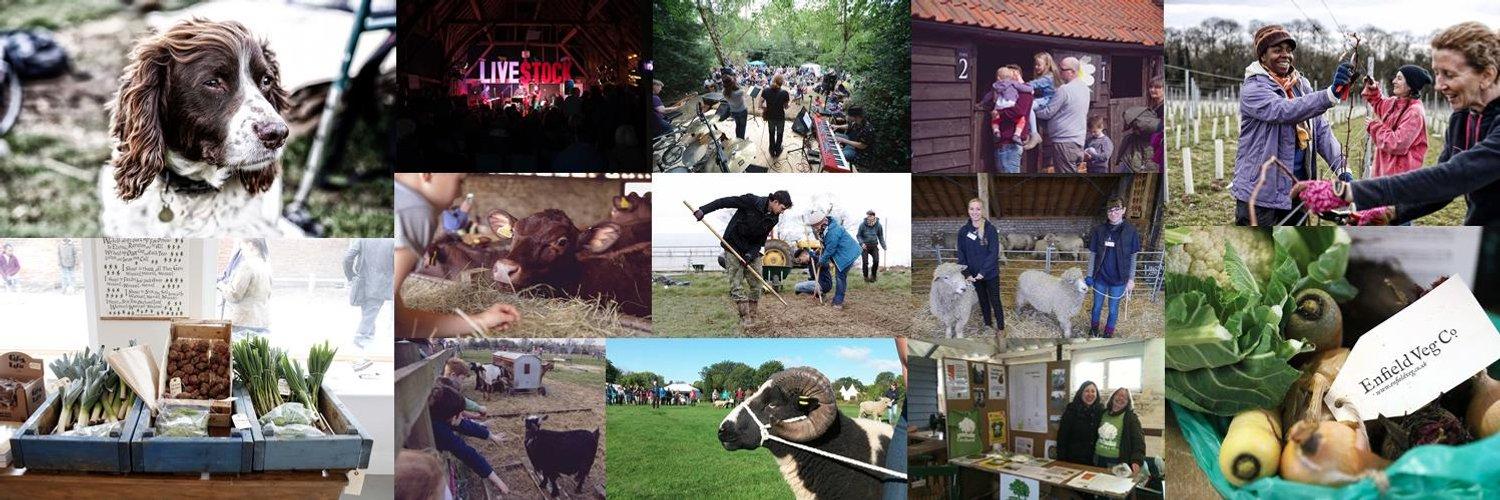
Situated on the historic Forty Hall Estate in Enfield, North London, Forty Hall Farm is a 170-acre certified organic, mixed farm operating directly inside the M25 highway boundary. Managed by Capel Manor College—London’s principal further education institution dedicated to the environment and land-based studies—the farm serves a dual purpose.
It hosts a local veg bag scheme: Enfield Veg Co. that delivers weekly bags of fresh, organic produce to households all over Enfield and East Barnet. Also operating as a fully functioning commercial agricultural enterprise and an active educational outdoor laboratory for vocational students, volunteers, and the wider urban community.
Over the past two decades, Forty Hall Farm has evolved into one of the United Kingdom’s most prominent urban edge and social enterprise farming initiatives. By balancing agricultural productivity, biodiversity restoration, rare-breed animal conservation, and hyper-local food systems, the farm demonstrates how peri-urban land can address climate resilience, food security, and environmental education.
Forty Hall Farm functions under the institutional stewardship of Capel Manor College. This operational model merges higher and further education with commercial agricultural management, allowing the farm to fulfill several overarching objectives:
The farm provides a real-world training environment for students enrolled across Capel Manor College’s academic departments, including Agriculture, Animal Management, Arboriculture, Wildlife Conservation, and Countryside Management. Students participate directly in:
Livestock Husbandry: Handling animal care routines, health monitoring, lambing, and breeding management for rare breeds.
Horticultural Operations: Learning commercial market gardening techniques, soil management, propagation, and pest control under Soil Association organic standards.
Estate Maintenance: Practicing hedgerow laying, fencing, timber management, and conservation tasks necessary for maintaining a public-facing heritage landscape.
While serving an academic function, Forty Hall Farm operates as a revenue-generating social enterprise. Income generated through its farm shop, vegetable bag delivery scheme, venue hires, seasonal events, and partner enterprises flows back into maintaining the estate and funding educational programs.
Located on the fringe of Greater London, Forty Hall Farm brings agriculture to an urban audience. The farm demystifies food production for thousands of urban visitors each year through open weekend hours, school visits, volunteer days, and community workshops.
Forty Hall Farm operates as a mixed agricultural system. Diversification ensures ecological resilience, reduces dependency on single crop markets, and provides a varied curriculum for land-based students.
       FORTY HALL FARM INTEGRATED PRODUCTION ECOSYSTEM

 ┌───────────────────────┐   ┌───────────────────────┐
 │   MARKET GARDENING    │   │  COMMUNITY VINEYARD   │
 │ Certified organic     │   │ London's only organic │
 │ vegetables supplying  │   │ commercial vineyard   │
 │ Enfield Veg Co.       │   │ producing wines.      │
 └───────────┬───────────┘   └───────────┬───────────┘
             │                           │
 ┌───────────┴───────────┐   ┌───────────┴───────────┐
 │  RARE-BREED LIVESTOCK │   │  COMMUNITY ORCHARD    │
 │ Pasture-raised cattle,│   │ Heritage fruit trees, │
 │ sheep, pigs, and      │   │ forest garden, and    │
 │ poultry systems.      │   │ biodiversity havens.  │
 └───────────────────────┘   └───────────────────────┘
The farm's horticultural engine centers on its multi-acre certified organic market garden. Designed around high-density, bio-intensive growing techniques, the garden uses a combination of open-field beds and protected polytunnels to cultivate vegetables, herbs, and soft fruits year-round.
Enfield Veg Co. (Veg Bag Scheme): The primary distribution channel for the market garden's harvest is Enfield Veg Co., a weekly community-supported vegetable box scheme operated directly from the farm.
Local Sourcing Philosophy: A significant portion of the produce in every weekly bag is harvested directly from Forty Hall Farm’s fields. To maintain year-round box variety, the scheme supplements its yield with produce sourced from nearby certified organic farms in the South East of England.
Zero Air-Freight Guarantee: All imported or supplemental produce strict avoids air freight, prioritizing low-carbon supply chains.
Pick-Up Hub Network: To minimize delivery emissions, bags are distributed to designated neighborhood collection hubs across the London Boroughs of Enfield and Barnet.
Forty Hall Farm is home to Forty Hall Vineyard, an independent social enterprise that established London’s first commercial-scale vineyard since the Middle Ages.
Scale and Cultivars: Spanning approximately 10 acres of south-facing slopes on the estate, the vineyard cultivates classic cool-climate grape varieties, including Pinot Noir, Chardonnay, and Pinot Meunier (for sparkling wine production), along with Bacchus and Ortega (for still white wines).
Organic Certification: Certified organic by the Soil Association, the vineyard avoids synthetic pesticides, fungicides, and artificial fertilizers, relying instead on under-vine mechanical weeding, biological canopy management, and organic spray protocols.
Ecotherapy and Voluntarism: Beyond wine production, Forty Hall Vineyard operates as a therapeutic social enterprise. It delivers structured ecotherapy programs where local volunteers—including individuals recovering from mental health challenges, social isolation, or long-term illness—participate in vine pruning, canopy management, and harvesting.
The farm maintains a diverse collection of livestock, emphasizing traditional and rare British breeds recognized by the Rare Breeds Survival Trust (RBST). These animals serve an educational role while managing the farm's pasture land.
Cattle: The farm manages herds such as Red Poll or Longhorn cattle, well-suited for conservation grazing on native grasslands.
Sheep: Rare-breed sheep, including Jacob, Cotswold, or Southdown flocks, are managed for wool production, pasture rotation, and the farm's popular spring lambing events.
Pigs: Rare-breed pigs (such as Berkshire or Tamworth) are kept in outdoor paddocks, contributing to natural soil disturbance and organic waste recycling.
Poultry: Free-range laying hens provide organic eggs for the farm shop while pest-checking orchard and pasture zones.
Planted by volunteers, the Forty Hall Community Orchard features over 120 heritage fruit trees, focusing on traditional English apple, pear, and plum varieties suited to the regional microclimate. The orchard preserves genetic diversity, provides seasonal fruit for the farm shop and regional markets, and acts as a biological sanctuary for native pollinators and bird species. Adjacent to the orchard, a newly established forest garden demonstrates multi-layered permaculture design, integrating perennial crops, nut trees, berry bushes, and ground-cover herbs.
Forty Hall Farm holds full organic certification through the Soil Association, requiring strict adherence to environmental and animal welfare standards. The farm applies regenerative land management protocols across its 170 acres:
On-Farm Composting: Organic waste from the market garden, livestock bedding, and local landscape management is processed into farm-scale compost windrows, returning organic matter and biological life back to field beds.
Manure Integration: Livestock manure is composted and strategically incorporated into crop rotations, reducing the need for off-farm fertility inputs.
Soil Cover: Open vegetable beds are protected using green manures and cover crops (such as phacelia, winter rye, and crimson clover) during shoulder seasons to prevent nutrient leaching, suppress weeds, and fix atmospheric nitrogen.
Reduced Mechanical Disturbance: In the market garden, human-scale hand tools (such as broadforks and roller seeders) are prioritized to preserve mycorrhizal networks and maintain topsoil structure.
Habitat Corridors: Native hedgerows, wildflower strips, and permanent pond structures surround field margins to harbor beneficial predatory insects, hoverflies, and amphibians.
Crop Rotation and Netting: Strict multi-year rotation schedules prevent soil-borne pathogens, while physical insect netting and fleece protect brassica and root crops without chemical sprays.
Forty Hall Farm acts as a cultural anchor for North London, connecting urban residents directly with seasonal food systems through events and retail channels.
Open weekly to the public, the on-site Farm Shop serves as a primary retail outlet for the farm's produce. Products available in the shop include:
Freshly harvested organic vegetables, salad mixes, and herbs from the market garden.
Pasture-raised organic meats produced on the farm.
Forty Hall Vineyard organic wines (still and sparkling editions).
Locally produced honey, preserves, regional cheeses, and organic pantry staples.
The farm hosts seasonal public events that draw thousands of visitors from Enfield, Greater London, and the Home Counties:
Spring Lambing Weekends: An educational family event allowing the public to enter the barns, learn about livestock management, and watch newborn lambs.
Monthly Farmers Markets: Bringing regional artisan food producers, bakers, cheese makers, and craftspeople together on the farm grounds.
Apple Day Celebration: An autumn festival celebrating the heritage fruit harvest with apple pressing, orchard tours, and biodiversity talks.
Seasonal Craft and Wreath-Making Workshops: Hands-on creative sessions utilizing natural materials harvested directly from the farm’s woods and hedgerows.
To understand the unique function of Forty Hall Farm within London’s green infrastructure, it is useful to contrast its operational model with traditional municipal parks and community gardens.
Primary Purpose:
Traditional Municipal Park: Focused on passive public recreation, amenity turf grass management, and municipal aesthetics.
Forty Hall Farm: Focused on active certified organic agriculture, vocational land-based education, rare-breed conservation, and local food production.
Economic and Food Output:
Traditional Municipal Park: Generates minimal direct food output; maintained primarily via municipal tax allocations.
Forty Hall Farm: Produces commercial yields of organic livestock, market vegetables, wine, and fruit through self-sustaining social enterprise revenue streams.
Educational Integration:
Traditional Municipal Park: Limited to general signage or occasional guided nature walks.
Forty Hall Farm: Serves as a working campus for Capel Manor College, delivering accredited qualifications in land-based sectors alongside public volunteering programs.
Biodiversity Strategy:
Traditional Municipal Park: Often relies on manicured lawns and ornamental flower beds requiring intensive mowing and maintenance.
Forty Hall Farm: Integrates high-biodiversity ecosystems including organic crop rotations, heritage orchards, agroforestry, conservation grazing paddocks, and wildflower corridors.
Forty Hall Farm offers structured entry points for students, volunteers, shoppers, and local residents looking to participate in its operations.
Explore Capel Manor College Courses: Review available diploma, certificate, and short-course offerings in Animal Care, Agriculture, Countryside Management, or Horticulture.
Attend an Open Day: Visit Capel Manor College's Enfield campus to tour the facilities and discuss entry requirements with tutors.
Complete Practical Placement: Enrolled students complete hands-on practical modules directly on Forty Hall Farm under instructor supervision.
Visit the Web Portal: Navigate to enfieldveg.co.uk to view available bag sizes (ranging from small single-person bags to large family options).
Select Collection Point: Choose a local pick-up hub in Enfield or Barnet that fits your weekly routine.
Customize and Add Extra Items: Add optional farm extras to your weekly order, such as fresh organic eggs, farm-grown tomatoes, or potted herbs.
Collect Weekly: Pick up your freshly harvested organic vegetable bag every Wednesday from your chosen community hub.
Choose an Enterprise Area: Determine whether your interest lies in market gardening, orchard care, vineyard management, or event support.
Register for Induction: Submit a volunteer application through the farm or Forty Hall Vineyard portal to attend a safety and operational induction.
Commit to Work Sessions: Participate in regular volunteer workdays, learning practical growing skills while supporting local organic food production.
Forty Hall Farm demonstrates how peri-urban green belts surrounding major metropolitan areas can be utilized productively. Rather than serving solely as buffer zones against urban sprawl, land within the M25 can actively address urban vulnerabilities:
Shortening Urban Food Miles: By producing fresh organic food within London’s administrative boundary, Forty Hall Farm cuts distribution distances, packaging waste, and transport emissions.
Preserving Agricultural Skills: As the average age of agricultural workers rises across the UK, the farm trains a new generation of urban and suburban land managers equipped with modern organic and ecological farming skills.
Urban Environmental Climate Adaptation: The farm’s organic soils, trees, and unploughed pastures retain rainwater, reducing runoff risks in neighboring suburban developments during heavy rainfall events.
Forty Hall Farm bridges the gap between urban London and sustainable rural stewardship. Through the institutional leadership of Capel Manor College, the dedication of local volunteers, and innovative social enterprises like Forty Hall Vineyard and Enfield Veg Co., the farm provides a working blueprint for peri-urban organic agriculture, ecological education, and community resilience.
