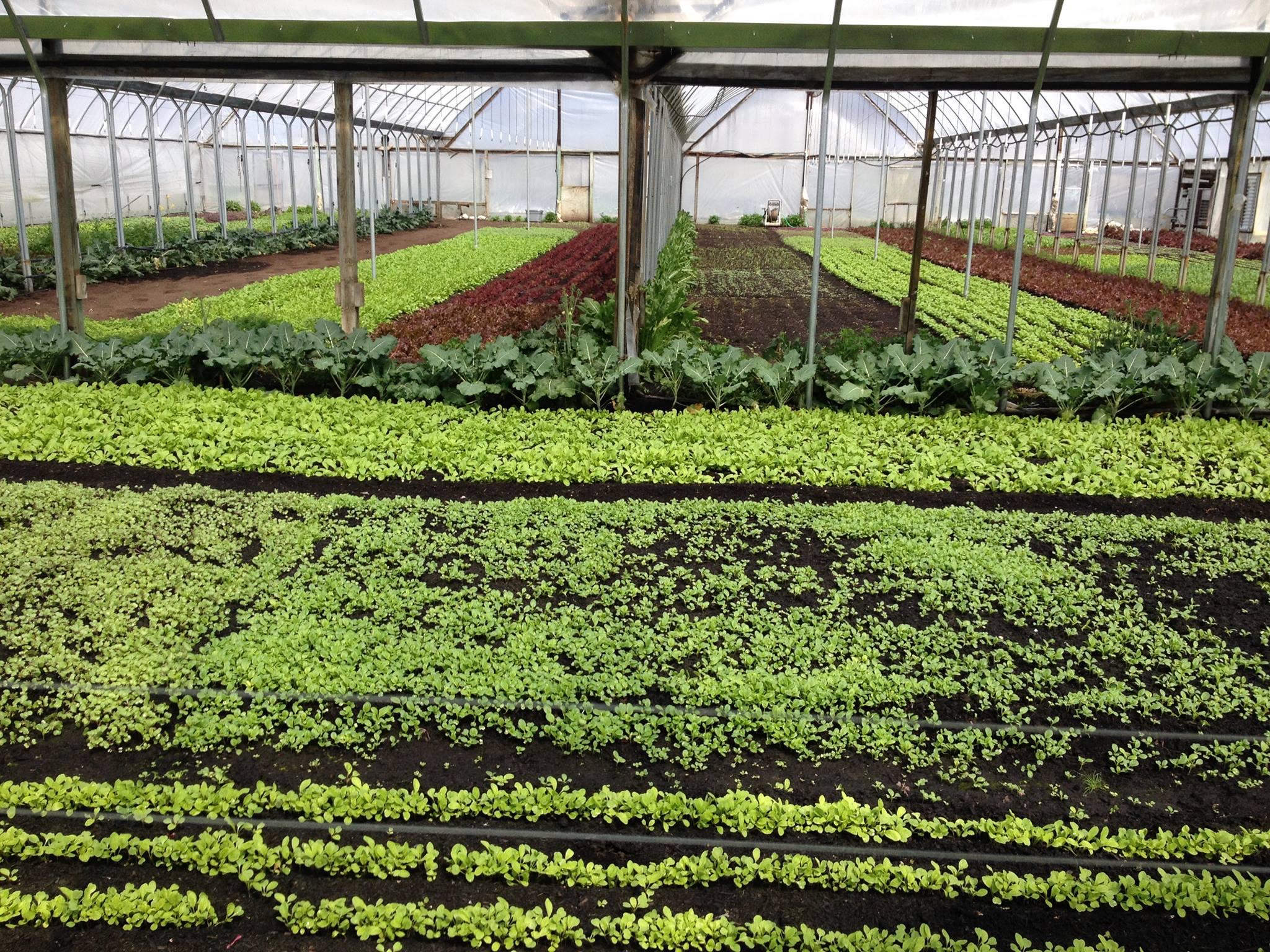
Arkansas Natural Produce, operating as Sweetwater Farm in Hot Spring County, represents a crucial and enduring facet of the American local food movement. With a history spanning over two decades, the farm stands not merely as a producer of high-quality goods but as a dedicated pillar of food sovereignty within Central Arkansas. Their model—focused on high-quality, year-round production delivered fresh to local markets in Little Rock and Hot Springs—challenges the conventional industrial food system by prioritizing short supply chains, ecological health, and a direct relationship between producer and consumer.
The most defining characteristic of Sweetwater Farm is its explicit commitment to growing in their mission:
"all our crops... using organic practices - without the use of chemical fertilizers, pesticides, or preservatives."
This philosophical and economic choice sets the farm apart from both conventional and strictly certified organic competitors.
The decision to adhere to organic practices—the spirit of the organic movement—without necessarily pursuing the USDA's Certified Organic label is common among smaller, local producers. This choice carries significant implications for both the farmer and the consumer:
In essence, Sweetwater Farm leverages its two decades of operation and its local focus to build a brand around transparency and proven quality, making its stated "organic practices" a more meaningful local pledge than a national commodity designation.
Sweetwater Farm’s economic model is a textbook example of a sustainable, localized food business, optimized for quality and efficiency by minimizing the length and complexity of the supply chain.
The commitment to harvest "fresh to order" is a cornerstone of the farm's value proposition. In the conventional food system, produce is often harvested prematurely—weeks before consumption—to withstand long-distance shipping and storage, leading to flavor degradation and nutrient loss. By contrast, the fresh-to-order model ensures that produce is allowed to reach its peak ripeness before being picked, maximizing flavor, nutritional value, and shelf-life for the end-user.
This practice requires exceptional logistical planning, but it delivers an unparalleled quality advantage in the local market, making the farm's produce highly sought after by discerning chefs and consumers in Little Rock and Hot Springs who prioritize freshness above all else.
The claim of delivering year-round to local markets is perhaps the most impressive logistical feat for an outdoor farm in Arkansas. This capability necessitates sophisticated infrastructure, including:
This year-round availability is crucial for establishing long-term, reliable relationships with chefs and retailers, who require consistent supply to plan their menus and inventory. The farm is not simply a seasonal market vendor; it is an essential, reliable business partner in the local food economy.
The delivery structure focuses exclusively on Little Rock and Hot Springs. This localized focus offers substantial economic and environmental benefits:
The core of Sweetwater Farm’s longevity is its dedication to the land. By rejecting chemical fertilizers and pesticides for over twenty years, the farm has made a sustained investment in the health of its soil ecosystem—an asset far more valuable than any annual yield.
Conventional agriculture often relies on synthetic fertilizers that temporarily boost yield but can degrade soil structure over time. By utilizing organic practices, Sweetwater Farm fosters a living soil ecosystem. The avoidance of chemical inputs promotes:
The long-term health of their land is the foundation of their ability to deliver consistent, high-quality, year-round produce.
Sweetwater Farm relies on ecological methods for pest management, rather than broad-spectrum synthetic pesticides. This often involves:
This long-term ecological commitment transforms the farm from a mere production unit into a functional, self-regulating ecosystem that provides public environmental benefits alongside economic outputs.
For twenty years, Arkansas Natural Produce has done more than just grow food; it has influenced the consciousness of the regional food system. Its role extends into the realms of education, economics, and community building.
By consistently supplying the Little Rock and Hot Springs markets with premium, naturally-grown produce, Sweetwater Farm helps elevate the standard for quality and flavor. This consistent, high-end supply:
The farm acts as a crucial proof-of-concept, demonstrating to other aspiring or conventional farmers that a profitable, successful operation can be built and maintained in Arkansas based entirely on sustainable, chemical-free methods.
In the broader context of the Arkansas economy, Sweetwater Farm represents vital economic diversification. It is part of the small farm sector that contributes to local job creation, keeps capital circulating within the community, and provides a necessary buffer against the volatility of national commodity markets. Every dollar spent on their produce is a dollar that supports a local family, local labor, and local soil.
The fact that farm visits are by appointment only suggests a streamlined, professional, and perhaps less publicly-facing operation than a typical retail farmers' market vendor. This indicates the farm likely focuses on efficient wholesale and subscription models, serving professional clients (restaurants, institutions, or specialized distributors) who require professional scheduling, consistent quality, and controlled access. This specialization is key to their stability and longevity.
Sweetwater Farm’s twenty-year tenure is itself a testament to its sustainability, yet the agricultural profession faces ever-increasing challenges.
Like all Arkansas farmers, Sweetwater Farm faces the growing unpredictability of climate change—from extreme heat and drought to severe storms. Their reliance on ecological practices, particularly their focus on building soil organic matter, provides a strong defense by enhancing the land’s water retention capabilities. However, continuous adaptation is necessary, likely requiring ongoing investment in resilient infrastructure (like more advanced hoop houses) and water management techniques.
Any multi-decade farm operation eventually faces the challenge of succession. The transition of the farm to the next generation or a new owner while preserving its core values—especially the commitment to organic practices and localized distribution—is critical for its continued impact. The strong brand identity and loyal customer base established by Arkansas Natural Produce make the business itself a valuable asset that could facilitate a successful transition, ensuring that the land remains productive and ecologically sound for decades to come.
Arkansas Natural Produce (Sweetwater Farm) is a quiet powerhouse of sustainable agriculture in Central Arkansas. Its success over two decades is rooted in a principled and pragmatic blend of ecological commitment and smart business strategy.
By choosing to focus on organic practices and transparency rather than certification, the farm has forged a deep trust with its local consumers. Its economic model prioritizes freshness through "fresh to order" harvesting, maximizing value through a localized, year-round distribution network serving Little Rock and Hot Springs. This localization minimizes ecological harm while maximizing profit margins necessary for sustainability.
In an era dominated by large-scale commodity agriculture and complex, global supply chains, Sweetwater Farm’s model is a vital template for regional food security and environmental stewardship. It proves that the most sustainable farm is the one that is both ecologically resilient and economically viable, demonstrating that a deep, unwavering commitment to the health of the community and the health of the land can indeed lead to long-term success. The farm is more than a business; it is a critical piece of the infrastructure required for a truly resilient Arkansas food future.
