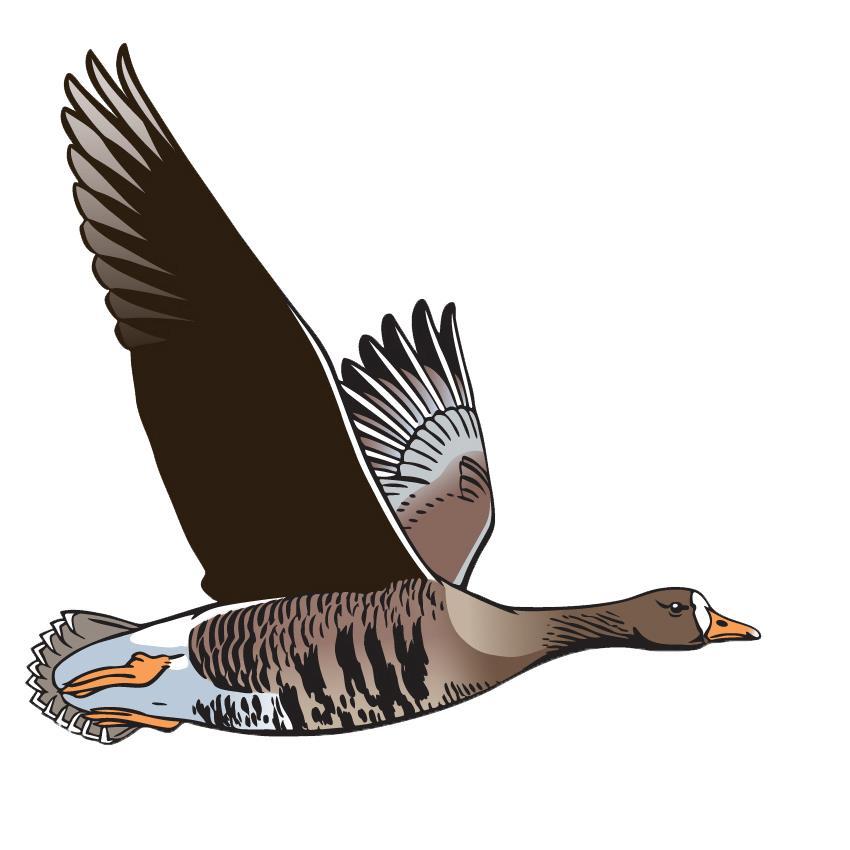
Ireland is a land defined by its dramatic coastal cliffs, expansive peat bogs, lush farmland, and sweeping river estuaries. These habitats provide a crucial sanctuary for millions of birds—from wintering wildfowl fleeing arctic freezes to delicate summer migrants nesting on offshore islands. At the vanguard of preserving this rich natural heritage stands BirdWatch Ireland.
As the largest independent wildlife conservation charity in the Republic of Ireland, BirdWatch Ireland plays a critical role in ecological research, direct species preservation, environmental policy advocacy, and public education. Operating on the belief that a thriving bird population is a key indicator of a healthy environment, the organization works tirelessly across communities, farmlands, seas, and government corridors to ensure that wild birds and their habitats are protected for future generations.
The origin of BirdWatch Ireland traces back to 1968, when a small group of passionate ornithologists and naturalists formed the Irish Wildbird Conservancy (IWC). At the time, public awareness of biodiversity loss was minimal, and environmental planning laws in Ireland were in their infancy. Recognizing that wild birds were facing unprecedented threats from habitat destruction, changing agricultural practices, and coastal development, the founders sought to establish a dedicated, scientific non-governmental organization (NGO) to speak up for nature.
Over the decades, the organization grew rapidly in both size and scope. Rebranded as BirdWatch Ireland (while retaining Irish Wildbird Conservancy as its legal corporate name), the charity expanded its network from a handful of dedicated birdwatchers to a vibrant national community with over 15,000 members and supporters.
Today, BirdWatch Ireland serves as the official Irish partner of BirdLife International—a global network of conservation organizations active in over 100 countries. Through this alliance, along with close cross-border collaboration with the Royal Society for the Protection of Birds (RSPB) in Northern Ireland, BirdWatch Ireland ensures an all-island, scientifically rigorous approach to bird and habitat conservation.
The primary objective of BirdWatch Ireland is the protection of wild birds and biodiversity throughout Ireland. To fulfill this ambitious mandate, the organization operates across four core pillars:
BirdWatch Ireland actively manages a nationwide network of nature reserves. These reserves span diverse ecosystems—including blanket bogs, saltmarshes, coastal islands, lakeshores, and native woodlands—ensuring that critical habitats are protected from destruction and managed specifically for threatened species.
Through hands-on conservation efforts, the team works directly on species-recovery initiatives for some of Ireland’s most endangered birds:
Seabirds: Managing breeding colonies on offshore islands and coastal sites for species such as Roseate Terns, Little Terns, Puffin, and Guillemots.
Farmland & Countryside Birds: Running targeted field projects to protect declining waders such as the Curlew and Lapwing, as well as farmland birds like the Corncrake and Yellowhammer.
Barn Owls: Leading national conservation drives to install nest boxes, monitor breeding pairs, and reduce rodenticide poisoning threats for the iconic Barn Owl.

Conservation cannot succeed without evidence. BirdWatch Ireland coordinates and executes some of the most extensive citizen-science and expert research surveys in the country. Key ongoing initiatives include:
Irish Wetland Bird Survey (I-WeBS): Monitoring wintering waterbird populations across hundreds of estuaries, lakes, and rivers nationwide.
Countryside Bird Survey (CBS): Tracking population trends of common breeding birds across the Irish countryside to gauge broad ecosystem health.
Garden Bird Survey: Engaging thousands of households every winter to record bird visits in urban and suburban gardens, offering a snapshot of local bird populations and winter survival rates.
Science must inform policy. BirdWatch Ireland acts as a robust, independent voice lobbying the Irish government, the European Union, and local authorities. The policy team focuses heavily on:
Agri-Environmental Policy: Advocating for progressive farming schemes that reward farmers for maintaining bird-friendly habitats, hedgerows, and species-rich grasslands.
Marine Protection: Campaigning for the establishment of Marine Protected Areas (MPAs) and sustainable fishing quotas to rebuild depleted fish stocks vital for seabird survival.
Climate & Planning Reform: Ensuring that renewable energy projects (such as wind farms and forestry expansions) are sited responsibly without destroying sensitive upland habitats or bird migration corridors.
Gardening for Nature
Community engagement lies at the heart of BirdWatch Ireland’s longevity. The organization operates over 20 local branches across Ireland. Run by passionate volunteers, these branches host guided nature walks, indoor lectures, field trips, and school visits, making nature accessible to people of all ages and backgrounds.
In addition, BirdWatch Ireland operates specialized facilities like the Cape Clear Bird Observatory in County Cork—one of Europe’s premier locations for observing seabird and songbird migrations.
Below is the consolidated contact and operational directory for BirdWatch Ireland:
Headquarters & Contact Details
Primary Address: BirdWatch Ireland, Unit 20, Block D, Bullford Business Campus, Kilcoole, Co. Wicklow, A63 RW83, Ireland
Phone: +353 (0)1 281 9878
Email: info@birdwatchireland.ie
Official Website: birdwatchireland.ie
Organization Profile
Legal Name: Irish Wildbird Conservancy (trading as BirdWatch Ireland)
Charity Status: Registered Charity in Ireland (CHY 5703 / CRA 20008963)
International Affiliation: Official Partner of BirdLife International
Key Services & Ways to Get Involved
Membership: Individual, family, and junior memberships offering access to events, reserves, and subscription to Wings magazine.
Local Branches: 20+ branches offering free public outings, talks, and beginner birdwatching events.
Citizen Science: Volunteer opportunities to participate in national bird counts, garden surveys, and nest recording.
