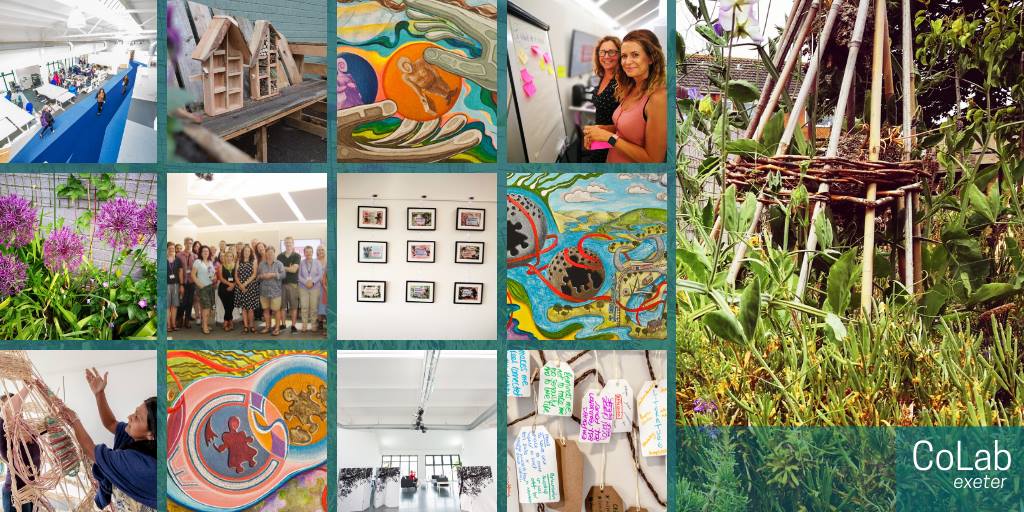
Colab Exeter stands as a powerful testament to the impact of integrated community support, acting as a vital wellbeing and innovation hub at the heart of the city. Moving beyond conventional siloed services, Colab has pioneered a holistic approach to tackling complex social challenges, including homelessness, addiction, re-offending, and pervasive health inequality. Its core philosophy is rooted in the belief that every individual deserves a quality, excellent, and purposeful life, and that the wellbeing of people in their environment is of paramount importance. By seamlessly blending service delivery with a culture of open-mindedness, new ideas, and local innovation, Colab Exeter has created a unique and effective model for achieving profound, positive community outcomes.
The ethos of Colab Exeter is defined by its commitment to the whole person and the entire community. The organization doesn't merely provide reactive support; it actively works to strengthen the foundational local services that sustain human flourishing. This integrated approach ensures that when an individual walks through Colab’s doors, they are met not with a single solution but with a coordinated network of support.
Colab’s work is strategically focused on areas where societal and governmental support often falls short.
Homelessness: Recognizing that homelessness is a complex issue driven by multiple factors (economic, mental health, addiction), Colab addresses this by serving as a central point of connection. They facilitate access to local shelters and transitional housing programs, which are vital for providing a safe space. Crucially, this provision is coupled with robust support services, including job training, counseling, and education. Furthermore, Colab actively collaborates with local organizations to supply essential material needs like food, clothing, and vital resources. This multi-faceted approach transforms temporary relief into a pathway to sustainable housing and stability.
Addiction and Recovery: For individuals struggling with addiction, Colab is a source of structured hope and long-term recovery. The organization collaborates with local partners to offer substance abuse treatment and comprehensive recovery programs. The support structure extends to facilitating engagement with vital peer-support networks, such as Alcoholics Anonymous (AA) or Narcotics Anonymous (NA). Beyond clinical settings, Colab champions community-based activities that actively promote sober living and healthy lifestyles, helping individuals rebuild social lives free from dependence.
Health and Health Equity: Colab directly confronts health inequality by ensuring that affordable healthcare is not a privilege but a right. They connect underserved communities with local clinics and health centers that provide affordable services. This action is paired with an advocacy role, promoting policies that champion health equity across the community. A proactive element involves volunteers providing essential health education and resources to vulnerable populations, including low-income families, seniors, and people with disabilities, thereby empowering self-care and prevention.
(Re)offending: By addressing the root causes of addiction, homelessness, and lack of opportunity, Colab plays a critical role in preventing and reducing re-offending, offering pathways for social integration and purposeful contribution rather than recidivism.
A defining feature of the Colab model is its deep-seated commitment to the local community. The organization has successfully filled the gap where government resources are unreached, making it a critical community partner.
Colab’s involvement in community projects is renowned for its widespread appeal and inclusive nature, engaging children, teens, young adults, and the elderly alike. These projects are not merely events; they are catalysts for social cohesion. They are known to:
Liven up entire streets, transforming public spaces into shared communal assets.
Foster creativity in kids, providing outlets for expression and skill development.
Show kindness to the needs of the most vulnerable members.
Provide information on important issues, bringing the community together for mutual support.
Cultivate positive mindsets and a collective drive for improvement.
Beyond direct services, Colab actively encourages open-mindedness to new ideas, concepts, and the creation of new customs and tools. It serves as an innovation hub by actively seeking and supporting ideas generated from the local community it serves. This grassroots approach ensures that solutions are relevant, adopted, and sustainable, bringing
"great joy to the local community"
as individuals feel valued, heard, and empowered as agents of change.
The Colab model successfully leverages and elevates the act of volunteering. It rightly recognizes that volunteering is not only a selfless act of giving back but also a powerful mechanism for building social networks and meeting friends who share similar values. This focus on social capital ensures that support is not transactional but relational, helping both the recipient and the giver to establish deeper ties, loyalty, and a stronger neighborhood community.
The extraordinary work of Colab Exeter must not only continue but expand to meet the growing needs of the community. To ensure that these works proceed and that the model can be scaled or sustained with equal excellence, a clear, multi-faceted strategy focused on resilience, resource mobilization, and outreach is essential.
Colab’s impact requires consistent and diverse funding. The philosophy that "if you are in a position to give, it’s because you've had people in your life who have invested in you" underscores the moral and civic imperative for support.
Diversify Funding Streams: Relying on a single source (e.g., a single grant or major donor) is risky.
Strategic Grant Writing: Target large charitable foundations and government programs that specifically fund integrated social services, homelessness prevention, and health equity.
Individual Donor Cultivation: Implement tiered donor programs (e.g., 'Friends of Colab,' 'Purpose Partners') to encourage regular, smaller donations alongside securing major gifts.
Corporate Sponsorship: Partner with local and regional businesses who can align their Corporate Social Responsibility (CSR) goals with Colab's mission.
In-Kind Donations and Material Support: Actively solicit donations of useful materials that an underserved community needs, such as non-perishable food, professional attire for job seekers, computer equipment for training, and personal hygiene products. This reduces operational costs and directly meets immediate needs.
Social Enterprise Development: Explore creating a small, mission-aligned social enterprise (e.g., a cafe, a small retail shop selling goods made in a job-training program) whose profits cycle directly back into Colab’s services.
The hub's effectiveness relies on its ability to reach those most in need and maintain its connection to the local pulse.
Formalize Local Innovation: Establish a formal "Innovation Seed Fund" or a "Community Idea Accelerator" where community members can pitch ideas for new tools, services, or customs. Provide small grants or resources to help actualize the best concepts, solidifying Colab's role as the innovation hub.
Expand Volunteer Capacity: Enhance the volunteer program with specialized roles (e.g., pro-bono lawyers, finance mentors, health educators) to match specific skills to community needs, deepening the professional support offered. Create a clear ladder for volunteer progression to ensure long-term retention and loyalty.
Digital and Physical Outreach: Utilize digital platforms to share success stories and resource information, ensuring services are known across all demographics. Establish satellite drop-in points or mobile outreach teams to connect with rough sleepers or isolated seniors who cannot easily reach the main Colab hub.
To secure continued support, Colab must clearly articulate its value and advocate for systemic change.
Rigorous Data Collection and Reporting: Systematically track key performance indicators (KPIs) related to the core mission:
Homelessness: Reduction in time to housing, retention rates in transitional housing.
Addiction: Treatment program completion rates, sobriety milestones.
Health Equity: Number of new individuals connected to affordable healthcare, impact of health education on community health markers. Present this data in clear, compelling Impact Reports for donors and stakeholders.
Policy and Advocacy Leadership: Use the data and case studies gathered from the front lines to actively advocate for policy changes at the local and regional levels. This involves participating in municipal councils and working groups to ensure that the voice of the underserved is represented in decisions concerning housing, public health, and social services.
Model Replication and Knowledge Sharing: Document the "Colab Model" of integrated wellbeing and innovation. Host workshops or shareable resources to help other towns and cities learn from and potentially replicate Colab’s successes, thus magnifying the organization's influence beyond Exeter.
The success of Colab is driven by its people—staff and volunteers.
Staff Wellbeing and Training: Provide ongoing training, supervision, and support for staff and core volunteers who work with complex and challenging issues. Preventing burnout is critical to maintaining the high quality and compassionate nature of the service.
Celebrate Successes: Institutionalize regular mechanisms for celebrating both large organizational milestones and the small, personal successes of service users, reinforcing the focus on a "quality, excellent and purposeful life" for all.
Colab Exeter is more than a service provider; it is an architect of social capital, a curator of innovation, and a lifeline for the most vulnerable. It embodies the positive change that occurs when people, organizations, and good ideas come together with purpose.
The organization's ability to strengthen local services and achieve profound community outcomes is a direct reflection of the investment made by those who believe in its mission. Whether through a donation that funds a recovery program, a sponsorship that supports a community project, or the donation of useful materials that meet an immediate, human need, every act of generosity is an investment in building a more equitable, purposeful, and thriving community for everyone.