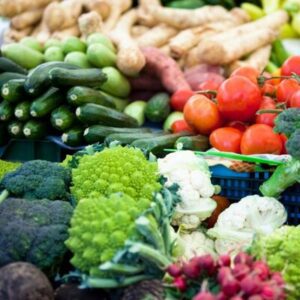
Based in Molash near Ashford, Foodari is a fresh produce, dairy, and local food distributor operating across Kent and the South East of England. Founded with a strong "Fresher by Miles" ethos, the business focuses on shortening agricultural supply chains by connecting regional fruit and vegetable growers directly to commercial kitchens, schools, corporate offices, and local residential households.
Foodari was established to bridge the gap between Kent's rich agricultural output—often referred to as the "Garden of England"—and local commercial food buyers who historically relied on centralized wholesale hubs like London's New Covent Garden Market.
Ultra-Local Sourcing First: Prioritizing farms within a tight regional radius across Kent and Sussex to minimize food miles, transit times, and carbon emissions.
Support for Independent Farmers: Providing local growers with fair, predictable wholesale channels, helping preserve traditional Kentish orchards and small-scale vegetable production.
Full Product Traceability: Allowing chefs and procurement managers to identify the specific farms, orchards, and growers responsible for individual deliveries.
Reducing Supply Chain Lag: Delivering produce within 24 to 48 hours of field harvest, extending shelf life for end customers and reducing early spoilage.
Foodari operates a dual-pronged logistics model designed for both high-volume trade procurement and direct-to-consumer home deliveries.
Commercial & Wholesale Supply (B2B):
Supplying hotels, restaurants, pub groups, schools, universities, and healthcare facilities across Kent, Sussex, and South East London.
Offering tailored order schedules, daily early-morning deliveries, and custom processing options (such as pre-peeled, sliced, or portioned vegetables).
Supporting commercial kitchens with seasonal menu planning based on real-time UK growing calendars.
Foodari Home Delivery & Produce Boxes (B2C):
Delivering customizable fresh fruit, vegetable, dairy, and essential grocery boxes directly to residential homes across Kent postal codes.
Offering doorstep subscription models that combine seasonal produce with locally sourced bread, milk, eggs, cheese, and pantry items.
Providing zero-plastic or minimal-packaging options to reduce single-use domestic waste.
Workplace Fruit & Wellness Schemes:
Delivering fresh seasonal fruit boxes directly to corporate offices and commercial workplaces to support employee wellness and healthier snacking habits.
Shaun talking about the new Foodari Kitchen range
Foodari’s inventory centers on fresh agricultural output supplemented by artisan regional food products.
Kentish Fruit & Tree Crops: Top fruit including regional varieties of apples (Cox, Gala, Braeburn), pears (Conference, Comice), soft berries (strawberries, raspberries, blackberries), and stone fruit (cherries, plums).
Seasonal Field Vegetables: Brassicas (cauliflower, kale, cabbage), root vegetables, asparagus, heirloom tomatoes, squashes, and leafy greens.
Dairy & Farmhouse Pantry Goods: Fresh milk, butter, local cheeses, free-range eggs, artisan fruit juices, honey, and preserves sourced from regional creameries and producers.
Understanding how Foodari differs from conventional produce distribution highlights its regional focus.
Supply Chain Structure:
Traditional Wholesale: Farm Regional Packhouse to Central Wholesale Market (e.g., London) to Regional Distributor to Customer Kitchen.
Foodari Model: Local Farm to Foodari Molash Hub to Customer Kitchen or Home.
Food Miles & Carbon Footprint:
Traditional Wholesale: High; produce often travels hundreds of miles back and forth through central distribution nodes.
Foodari Model: Low; majority of produce travels directly within Kent and neighboring counties.
Freshness & Storage Time:
Traditional Wholesale: Produce can spend several days in multi-tier storage and transport before reaching the chef.
Foodari Model: Harvested, packed, and delivered within a tight 24-to-48-hour window.
Economic Impact:
Traditional Wholesale: Financial value is diluted across multiple brokers, logistics providers, and market middlemen.
Foodari Model: Maximum economic value remains directly within the local agricultural economy.
Foodari incorporates sustainable operations into its daily logistics and farm partnerships.
Route Optimization & Efficient Fleet Logistics: Utilizing smart route-planning software to group deliveries geographically, reducing total fuel burn and delivery vehicle emissions.
Plastic Reduction Initiatives: Partnering with growers to utilize reusable crates, compostable packaging, and unbleached cardboard boxes for residential and commercial deliveries.
Food Waste Mitigation: Redirecting surplus or cosmetic "imperfect" produce into commercial processing channels, soup production, or local food redistribution networks.
Biodiversity Support: Partnering preferentially with farm partners who practice integrated pest management, soil conservation, and countryside stewardship schemes.
The Foodari brand represents a successful modern adaptation of the traditional regional produce merchant. By combining localized logistics with modern digital ordering platforms, the company strengthens Kent's agricultural ecosystem, reduces reliance on long-distance imports, and gives both chefs and home cooks direct access to fresh, fully traceable regional food.