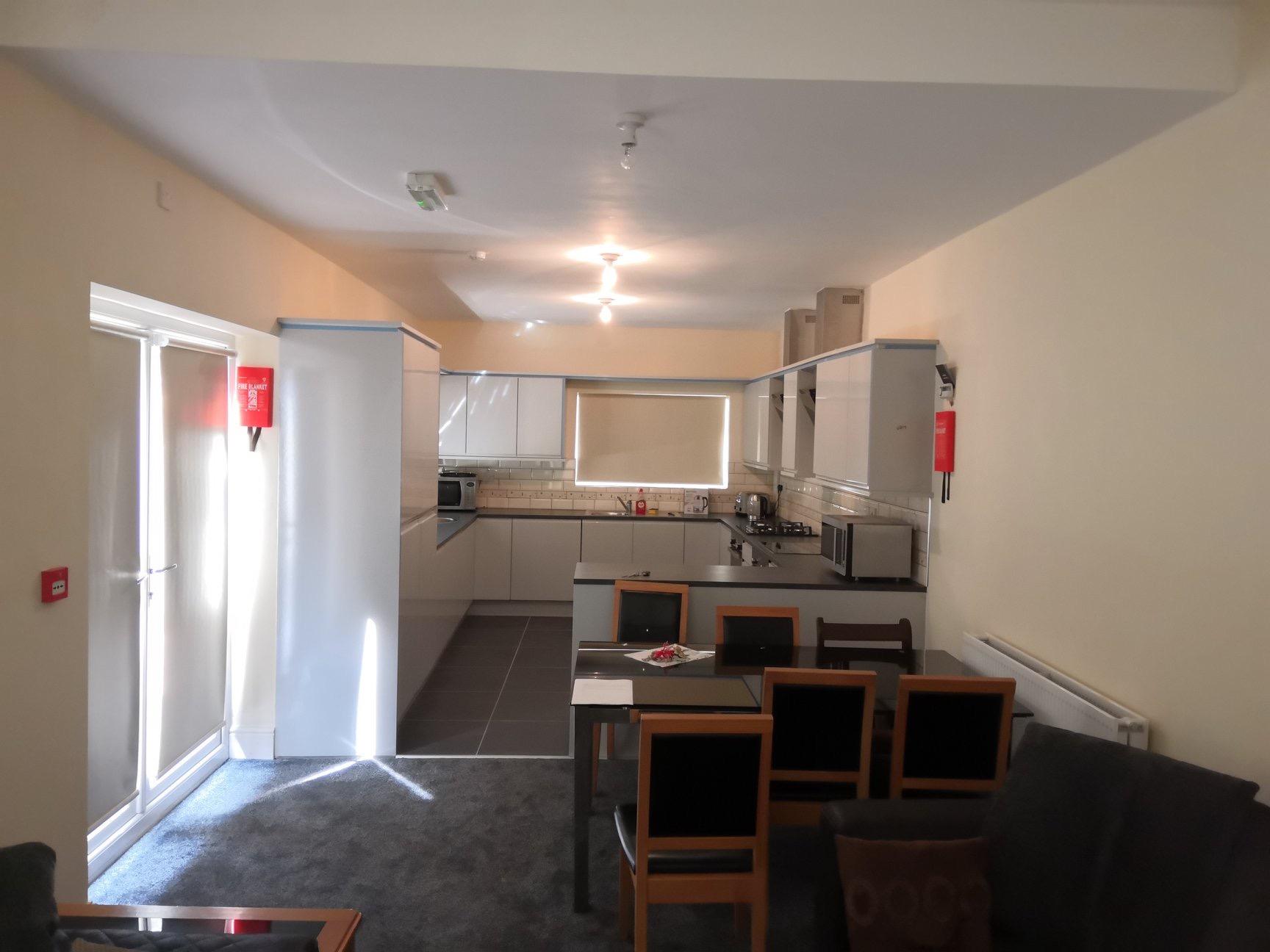
Guidance Housing operates as a vital link in the chain of 21st century homelessness support, specifically targeting vulnerable adults who face complex, co-occurring challenges. Their mission is to provide safe, temporary accommodation to individuals who are currently homeless or at serious risk of becoming homeless. This service focuses on people with specific, high-level needs, including those with mental health issues, learning difficulties, and substance misuse problems.
The service is distinguished by its fully furnished accommodation model. However, the true value lies in the wrap-around support services necessary to stabilize these individuals and prepare them for long-term independent living. This specialized approach is critical, as vulnerable adults often fall through the gaps of mainstream housing and support systems due to the complexity of their needs.
Homelessness in the UK is rarely a single-issue problem. For the vulnerable adults that Guidance Housing serves, it is a devastating symptom of multiple, interconnected failures across housing, health, and social care systems.
The people accommodated by Guidance Housing are often described as having multiple and complex needs (MCN). This means an individual is experiencing two or more major disadvantages concurrently, which are often mutually reinforcing:
Mental Health: This is the most common support need for those seeking homelessness assistance. Issues can range from severe depression, anxiety, and trauma to diagnosed psychotic disorders. Untreated mental illness severely undermines a person's ability to maintain a tenancy, manage finances, or engage with services.
Substance Misuse: Addiction to alcohol or drugs is often both a cause and a consequence of rough sleeping or insecure housing. Chaotic substance use prevents access to many mainstream services and increases the risk of exploitation and harm.
Learning Difficulties/Disabilities (LD): Individuals with LD can struggle with the cognitive, organizational, and social skills required for independent living. They may face difficulty navigating complex benefit claims, understanding tenancy agreements, or accessing appropriate healthcare.
The combination of these issues creates a cycle of repeated homelessness. When one problem is addressed, the others often lead to a relapse or eviction. Guidance Housing’s model is built to break this cycle.
The core service provided by Guidance Housing is temporary, supported accommodation. This model is strategically designed to offer more than just a roof; it provides the structure, safety, and specialized support required for stabilization.
The provision of fully furnished temporary accommodation is a crucial detail. It immediately removes several barriers for a newly housed individual:
Dignity and Immediate Comfort: Moving from street homelessness or crisis accommodation often means arriving with nothing. Furnished accommodation restores a sense of dignity and immediately provides a suitable, liveable space.
Reduced Financial Stress: It eliminates the immediate financial burden of purchasing furniture and household essentials, allowing the resident to focus on recovery and engaging with support services.
Compliance with Standards: As providers of temporary accommodation, Guidance Housing must adhere to strict suitability and health and safety standards, ensuring the living environment is safe, free of Category 1 hazards, and not overcrowded.
The true value of the service lies in the integrated support, which addresses the complex needs outlined in the mission statement:
Trauma-Informed Care: Many individuals experiencing homelessness have profound histories of trauma. Services must be trauma-informed, meaning staff understand the widespread impact of trauma and adopt practices that avoid re-traumatization. This underpins all interactions at Guidance Housing.
Dual Diagnosis Support: Addressing mental health and substance misuse simultaneously is known as dual diagnosis or co-occurring conditions support. This is vital because treating one without the other inevitably leads to failure. Guidance Housing likely works with specialist Community Mental Health Teams (CMHTs) and local drug/alcohol services to provide integrated care plans.
Tenancy Sustainment Skills: For those with learning difficulties or those who have experienced serial homelessness, intensive support is required to build the skills needed for long-term independence. This is known as housing-related support.
Budgeting and Debt Management: Learning to manage rent, utilities, and debt.
Maintaining the Property: Basic cleaning, maintenance, and utility management.
Accessing Benefits: Navigating the complex processes of Universal Credit and other welfare claims.
Social Integration: Connecting residents with education, training, employment, and community resources.
Guidance Housing occupies a critical space within the overall UK strategy for tackling homelessness, working as a specialist partner to statutory services.
Local authorities have a legal duty to provide housing help to those who are eligible and homeless. This is codified in the Homelessness Reduction Act (HRA) 2017 and detailed in the Homelessness Code of Guidance.
Priority Need: Individuals who are vulnerable as a result of mental illness, learning disability, or physical disability are deemed to have a priority need for accommodation. Guidance Housing directly serves this priority need cohort.
Commissioned Services: Local councils often commission specialist providers like Guidance Housing to manage this complex cohort. This ensures that the accommodation provided is not just a room, but a supported pathway designed for recovery, not just temporary shelter.
Reducing Rough Sleeping: By providing targeted accommodation with support, these services help move the most chaotic and vulnerable individuals off the streets, where they are at the highest risk of harm and premature mortality.
The goal of temporary accommodation is not permanence; it is transition. Guidance Housing acts as a stepping stone toward a settled home.
Assessment Phase: The initial period in temporary housing allows support workers to conduct comprehensive, holistic assessments of an individual's needs—physical, mental, social, and functional.
Risk Mitigation: The environment manages and mitigates risks associated with chaotic lifestyles, ensuring both the resident's safety and the safety of the community.
Move-On Planning: The support provided is focused on co-creating a personalized move-on plan that addresses all outstanding issues. Once stable, the resident can be referred to long-term supported tenancies or settled housing with tenancy-sustainment support. The ultimate measure of success is the successful maintenance of a stable, long-term home.
In essence, Guidance Housing embodies the principle that simply re-housing a vulnerable person is insufficient. True change requires therapeutic, supportive intervention delivered in a safe and dignified environment.
