Homebaked Bakery

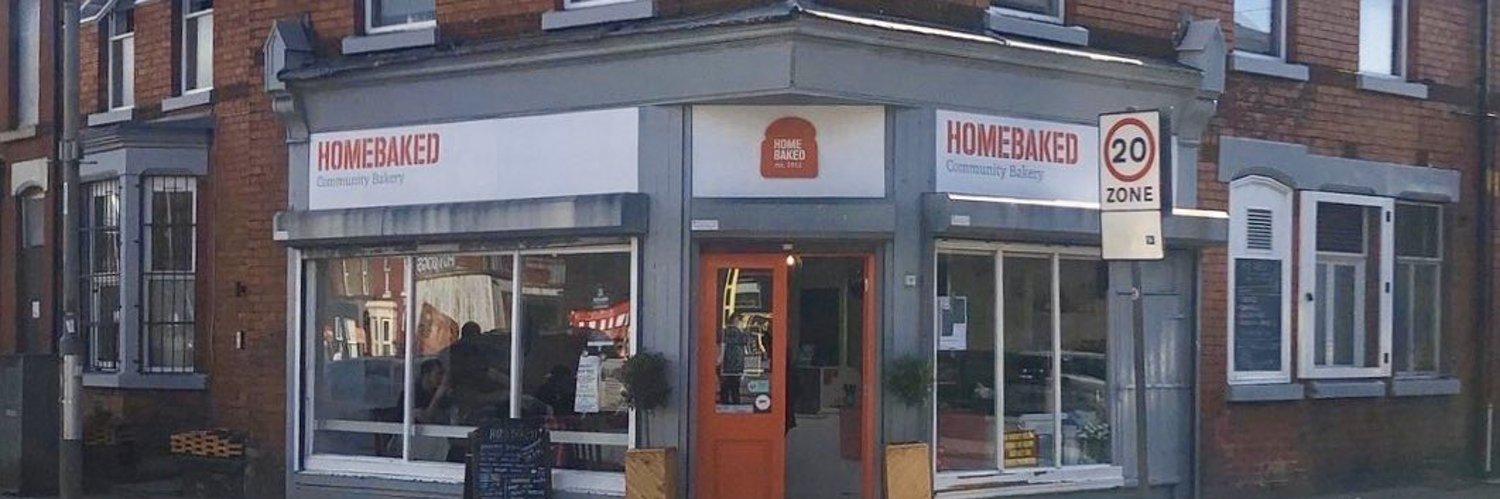
Homebaked Bakery in Anfield

Homebaked Anfield is significantly more than a thriving local bakery; it stands as a pivotal case study in the power of cooperative economics, community asset ownership, and self-directed urban regeneration. Located in the shadow of Liverpool FC’s Anfield Stadium, the initiative was born out of a community’s refusal to accept commercial dereliction and neglect, transforming a long-vacant site into a successful, self-sustaining social enterprise. Operating as a Community Benefit Society (CBS) and a worker cooperative, Homebaked has demonstrated a powerful model for creating local employment, maintaining affordable community access to essential services, and anchoring a neighbourhood facing the rapid and often disruptive pressures of stadium-led gentrification.

This essay will trace the origins of Homebaked from a temporary arts project to a permanent social enterprise, analyze the efficacy of its cooperative structure in achieving both commercial viability and social equity, and evaluate its profound impact on the local economy, community morale, and the broader discourse surrounding grassroots-led urban renewal.

I. Context and Genesis: From Dereliction to Community Asset

The narrative of Homebaked is inseparable from its location in Anfield, Liverpool, a neighbourhood that has endured decades of post-industrial decline, social housing divestment, and the complex, dual-edged pressure of being the home to a globally famous football club.

1.1. The Challenge of Anfield

For years, the areas immediately surrounding Anfield Stadium were characterized by blight. Terraced houses were abandoned, boarded up, or subject to compulsory purchase orders (CPOs) related to various, often stalled, plans for stadium expansion and regeneration. This created a climate of uncertainty and disinvestment. The site that would become Homebaked, located directly opposite the iconic Kop stand, was a derelict former bakery—a physical manifestation of the neighbourhood's decay. The challenge was not simply commercial; it was about reclaiming local identity and agency in the face of external corporate and governmental decisions.

1.2. The Artistic Catalyst: "2Up 2Down"

The genesis of Homebaked was an unexpected one: a temporary arts project called “2Up 2Down,” initiated in 2010 by the organization Public Works. This project was designed to rethink housing and community assets in Anfield. The derelict bakery was temporarily resurrected to explore the potential for a community-owned enterprise. The project was immediately embraced by local residents who saw the commercial and social potential of the site, realizing that an affordable, high-quality bakery served a crucial, unmet need.

This success provided the impetus for the transformation from an ephemeral art installation into a permanent, democratically owned business. Local residents formed the Homebaked Community Land Trust (CLT), which then successfully secured the building from the city council. This acquisition was a pivotal moment, taking a critical piece of local infrastructure out of the hands of developers or absentee landlords and placing it into the control of the community itself.

II. The Cooperative Structure: Equity and Resilience

The long-term success and political integrity of Homebaked are rooted in its sophisticated, two-tiered cooperative structure, which deliberately prioritizes community benefit and worker ownership over traditional profit maximization.

2.1. The Community Benefit Society (CBS) Model

Homebaked Bakery operates under the umbrella of the Community Benefit Society (CBS) model. This legal structure ensures that the organization is non-profit and democratically controlled, similar to the Shotley Pier preservation effort. Key features include:

  • Asset Lock: The CBS structure locks the building and the business’s assets for the permanent use and benefit of the community, preventing private extraction of profit or sale to external developers.
  • Democratic Ownership: Funding was largely secured through a community share issue, where local residents and supporters invested small sums (typically £10 or £20) to become co-owners. Like all co-operatives, it operates on the principle of "one member, one vote," irrespective of the amount invested. This ensures that the strategic direction of the enterprise is always governed by the local community’s needs.

This model is a powerful defense against the gentrifying forces often unleashed by major infrastructure projects, ensuring that any increase in value or profit benefits the neighbourhood directly, rather than displacing residents.

2.2. Worker Co-operative Philosophy

Within the broader CBS framework, the bakery operates as a worker cooperative. This means that the staff who bake the pies and serve the customers are not merely employees but co-owners, with a direct stake in the business’s success and management.

  • Job Creation and Training: Homebaked directly creates local, well-paid jobs, offering training and skills development opportunities to people who may face barriers to employment. This is a critical social impact, transforming passive residents into active economic participants.
  • Empowerment: Employees participate in the strategic and operational decisions of the business, leading to higher job satisfaction, lower turnover, and a strong culture of accountability. The worker co-op structure translates the economic success of the Anfield Pie—its signature product—directly into shared prosperity and ownership.

The fusion of the CBS (Community Control) and the Worker Co-op (Worker Control) creates a robust governance model designed for social resilience and economic justice.

III. Social and Economic Impact

The impact of Homebaked transcends the simple sale of bread and pies. It functions as a multipurpose community anchor, providing essential services, fostering social cohesion, and generating sustained local wealth.


3.1. The Role of the Bakery as a Social Hub

In post-decline neighbourhoods, the disappearance of local services—bakeries, butchers, post offices—often precedes social fragmentation. Homebaked re-established a vital community hub. It is a place where long-term residents, new stadium visitors, and local workers mix, fostering social cohesion and interaction. Its physical presence symbolizes the community’s vitality and survival in the face of external pressures. It provides affordable, quality food options, addressing food security and health needs within the neighbourhood.

3.2. Economic Multiplier Effect

The financial success of Homebaked—particularly driven by match-day trade from Liverpool FC supporters who purchase the famous pies—is strategically reinvested back into the Anfield community. This ensures a powerful local economic multiplier effect:

  • Local Sourcing: The bakery prioritizes sourcing ingredients locally wherever possible, strengthening the regional supply chain.
  • Reinvestment in the CLT: Profits generated by the bakery are used to fund the broader community benefit projects managed by the Community Land Trust, such as renovating derelict housing for affordable rental.
  • Diversification: Homebaked’s brand strength has allowed it to diversify into catering, external sales, and training programs, securing its financial future beyond the cyclical nature of football matchdays.

The bakery’s success directly counteracts the "leakage" of wealth that often occurs when local spending immediately flows out to external corporations or distant shareholders.

3.3. A Model for Regeneration

Homebaked has become a national and international model for how communities can resist market-driven, top-down regeneration schemes. It demonstrates that residents can be the primary architects of their neighbourhood's future, prioritizing social equity and environmental sustainability alongside commercial success. The contrast between Homebaked’s small, grassroots operation and the multi-million-pound stadium development provides a compelling narrative of local David-versus-Goliath success, inspiring other communities facing similar threats of displacement.

Conclusion

Homebaked Bakery is an exemplary model of successful cooperative social enterprise. It masterfully uses a commercial vehicle—the irresistible demand for quality food—to achieve profound social ends. By adopting the structure of a Community Benefit Society and a worker co-operative, it has ensured its assets are locked for community use, its profits are reinvested locally, and its workers are empowered co-owners.

The transformation of a derelict site into a thriving, democratically controlled bakery opposite one of the world’s most famous sporting venues serves as a powerful, edible testament to community resilience. Homebaked’s legacy is not just in the millions of pies sold, but in its tangible, replicable proof that grassroots-led ownership provides a necessary, equitable, and sustainable alternative to conventional models of urban regeneration. It remains a vital anchor for the Anfield community, symbolizing hope, self-determination, and the enduring power of collective action to bake a better future.

Find Us

Address
197-199 Oakfield Rd, Liverpool L4 0UF, UK
Phone
0151 261 1745
Email
enquiry@homebakedbakery.com
When in the Course of human events, it becomes necessary for one people to dissolve the political bands which have connected them with another, and to assume among the powers of the earth, the separate and equal station to which the Laws of Nature and of Nature's God entitle them, a decent respect to the opinions of mankind requires that they should declare the causes which impel them to the separation.
GLOBAL GATHERINGSSOCIAL IMPACTONLINE FUNDRAISINGCONTACT

Subscribe

* indicates required
linkedin facebook pinterest youtube rss twitter instagram facebook-blank rss-blank linkedin-blank pinterest youtube twitter instagram