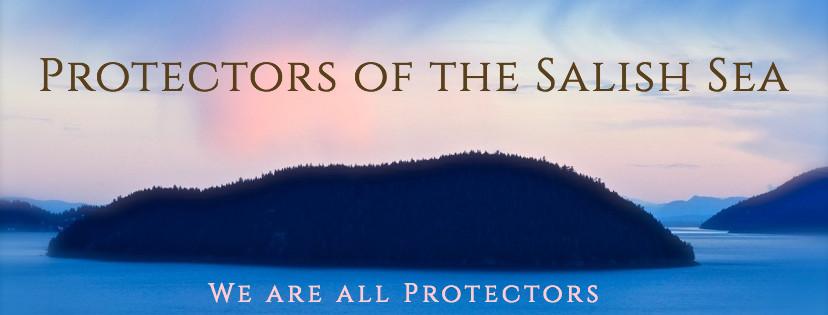
The Salish Sea, a complex and magnificent system of interconnected coastal waterways spanning the border of the United States and Canada, is not merely a geographic location; it is a vital, living entity. This inland sea, comprising the Strait of Georgia, the Strait of Juan de Fuca, and Puget Sound, sustains an unparalleled richness of marine life—from vast schools of salmon and herring to the iconic Southern Resident orca population. For the Coast Salish Peoples, who have stewarded these waters since time immemorial, the Salish Sea is the cultural, economic, and spiritual heart of their existence. It is a source of identity, sustenance, and sovereignty.
However, this irreplaceable ecosystem is now facing an existential crisis. The continued expansion and reliance on fossil fuel infrastructure—including pipelines, massive tanker traffic, and port expansion—pose catastrophic threats to the ecological balance and the cultural future of the region. Standing at the forefront of the defense of this ancient waterway is the Protectors of the Salish Sea (POTS), a movement built on a foundation of profound Indigenous wisdom and unwavering commitment to environmental justice. Their mission is not just a modern environmental protest; it is a fundamental assertion of Indigenous sovereignty and an act of cultural survival, recognizing the detrimental impact of fossil fuels on the delicate balance of life in the sea.
The Salish Sea represents one of the world's most productive and complex temperate marine ecosystems. Its deep fjords, tidal flats, and estuaries create a diverse habitat for over 3,000 species of invertebrates, 200 species of fish, and numerous marine mammals. This region is critically important to the global biodiversity of the Pacific Northwest. The cycle of life here is famously dependent on the Pacific salmon, which return from the ocean to spawn in the vast network of rivers, providing nourishment for countless species, including the endangered Southern Resident Killer Whales (orcas).
The health of the Salish Sea is directly tied to the well-being of the surrounding Indigenous communities. Their treaty-reserved rights—to fish, harvest, and maintain their traditional lifeways—are inextricably linked to the purity of the water and the abundance of marine life. Any damage to this ecosystem is thus not merely an environmental setback; it is a direct violation of inherent and legally affirmed rights.
The threats to this precious resource are manifold, but they coalesce primarily around the continued prioritization of fossil fuel extraction and transport. These threats include the chronic stress of noise and pollution from commercial shipping, the physical degradation of coastal habitats from development, and the overwhelming threat posed by accidental oil spills. The high-stakes, low-probability risk of a major oil spill—whether from a pipeline rupture or a tanker accident in the narrow, turbulent passages of the Strait of Juan de Fuca—would instantly obliterate decades of conservation efforts, contaminate traditional harvesting grounds for generations, and likely push the Southern Resident orcas to extinction. The mission of the Protectors of the Salish Sea is thus defined by the urgency of this environmental and cultural emergency.
The movement led by the Protectors of the Salish Sea is profoundly rooted in Indigenous ecological knowledge and the assertion of sovereign authority. The relationship between the Coast Salish Peoples and the land and water is governed by principles of reciprocity and deep reverence, a contrast to the extractive philosophy that drives fossil fuel expansion. For millennia, Coast Salish governance included sophisticated management practices that ensured the sustainability of resources, viewing themselves not as owners, but as essential caretakers.
This stewardship responsibility is encapsulated in terms of inherent sovereignty. Indigenous Nations in the region, such as the Suquamish, Lummi, and Tulalip, operate as sovereign governments with jurisdiction over their territories and reserved rights under treaties like the Treaty of Point Elliott (1855). These legal rights grant them co-manager status over resources like salmon and ensure their right to a healthy environment. Therefore, when the Protectors of the Salish Sea stand up to block a pipeline or protest increased tanker traffic, they are not simply advocating for better environmental policy; they are asserting their sovereignty and fulfilling an inherent duty to protect their ancestral waters for future generations.
The Protectors operate from this place of moral authority and political legitimacy. They understand that a stable climate and a clean Salish Sea are prerequisites for their existence as sovereign peoples. This is why their actions are often framed within the context of Traditional Ecological Knowledge (TEK). They draw upon multi-generational, place-based knowledge about tidal patterns, salmon migration, and species health—knowledge that often provides a deeper, more accurate understanding of the region’s ecological sensitivities than modern, short-term scientific studies commissioned by development companies. This wisdom serves as the guiding light for their advocacy, emphasizing the interconnectedness of all living things and the impossibility of separating environmental health from human health.
The primary target of the Protectors of the Salish Sea’s campaign is the systematic expansion of fossil fuel infrastructure across the Pacific Northwest. This region, positioned as a vital gateway to Asian markets, is consistently targeted for massive projects aimed at exporting North American oil, natural gas, and coal.
Specific threats include:
The Protectors tirelessly articulate that these proposed projects represent an unacceptable gamble with the future. For the Coast Salish Nations, the stakes are not merely economic; they are about cultural integrity, the fulfillment of treaty rights, and the continuation of their very way of life.
The Protectors of the Salish Sea employ a multifaceted, dynamic approach that blends modern legal and political advocacy with traditional cultural practices. Their strategy is designed to create pressure at every level—from local permit hearings to international policy forums—while simultaneously building cultural capacity within their own communities.
Advocacy and Policy Influence: POTS engages tirelessly in direct advocacy, petitioning governments and challenging permits for fossil fuel infrastructure. They provide expert testimony and organize community-based opposition, effectively mobilizing local citizens and environmental groups. Their presence in legal and regulatory arenas ensures that Indigenous rights and environmental concerns are central to any development discussion. They advocate for policies that prioritize clean energy, divestment from fossil fuels, and the creation of a sustainable, regenerative regional economy.
Community Outreach and Education: A core pillar of the Protectors’ mission is the education of the broader public about the threats to the Salish Sea. They foster a sense of shared stewardship by running community outreach programs designed to demystify complex environmental challenges. By presenting the crisis through the lens of Indigenous values—emphasizing the spiritual and cultural importance of the water—they are able to foster deeper emotional and ethical connections that transcend traditional environmentalism.
Direct Action and Spiritual Resistance: The movement is known for its powerful use of culturally resonant, non-violent direct action. This includes organizing canoe journeys, which are not only spiritual and ceremonial events but also highly visible acts of asserting Indigenous presence and jurisdiction over the waterways. These actions physically manifest the connection between the People and the water, drawing global media attention and framing the resistance as an inherent right of the Sovereign Nations.
One of the most impactful and inspiring initiatives undertaken by the Protectors of the Salish Sea is their work with Tribal youth to build traditional coastal canoes. This practice is far more than an educational program; it is an act of cultural reclamation and a powerful teaching tool.
The act of building a canoe is an intensive, months-long process rooted in precision, patience, and traditional knowledge. The process begins with the careful selection of a cedar log—the Tree of Life—and involves communal effort under the guidance of master carvers and elders. Through this work, Tribal youth are reconnected with:
The completed canoes are then used for traditional journeys, including the annual Tribal Canoe Journey, which demonstrates the living culture and enduring connection of the Coast Salish Nations. These powerful events serve as mobile, potent symbols of resistance against the industrialization of their waters. By actively engaging young people in this way, the Protectors are not just defending the environment of today, but they are securing the cultural continuity and capacity of the leadership needed for future generations of environmental defenders.
The Protectors of the Salish Sea extend a clear and urgent call to action to all inhabitants of the region and to the global community. They invite individuals to move beyond passive concern and embrace active stewardship. This involves: learning more about the specific threats the sea faces (e.g., specific pipeline or port proposals); advocating for policies that promote clean energy solutions and sustainable economies; and supporting the work of Indigenous-led movements that draw on ancient wisdom for modern solutions.
The commitment of the Protectors is unwavering. They recognize that the fate of the Salish Sea—with its salmon, its orcas, and its ancient Coast Salish Nations—is interwoven with the global fight against fossil fuels. Their success in challenging major infrastructure projects and holding governments accountable is a testament to the power of Indigenous sovereignty and community mobilization.
In conclusion, the Protectors of the Salish Sea represent one of the most vital and culturally grounded environmental movements in North America. By integrating the timeless values of Indigenous stewardship with modern advocacy and education, they are creating a powerful bulwark against environmental degradation. They affirm that safeguarding this vital ecosystem is a collective responsibility, driven by the profound realization that protecting the Salish Sea is synonymous with protecting Indigenous rights, cultural heritage, and the shared future of all people who call the Pacific Northwest home. Their work is a beacon of hope, demonstrating that a sustainable, self-determined future for the People of the Clear Salt Water is not only possible but is actively being built on the water, one canoe, one protest, and one sovereign action at a time.
