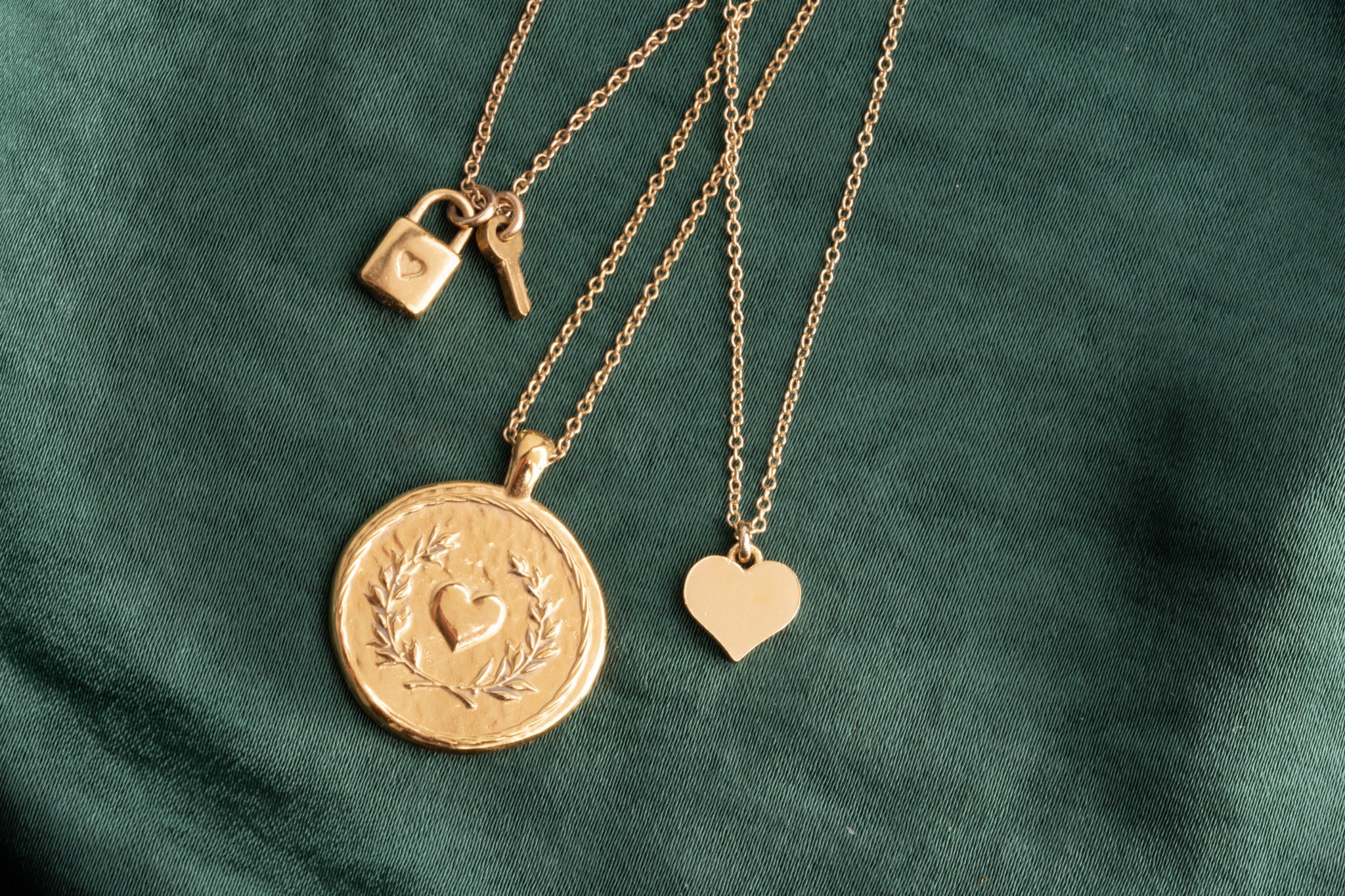
Resera (formerly known as Sanctuary Project) is much more than a jewelry brand; it is a "survivor-led" social enterprise that serves as a bridge between a traumatic past and a flourishing future. Based in Nashville, Tennessee, Resera operates at the intersection of high-quality craftsmanship and radical social advocacy, providing employment, housing, and holistic support to women transitioning out of homelessness, domestic violence, incarceration, and human trafficking.
To understand Resera is to understand a business model where the "product" is not just a piece of gold or silver jewelry, but the literal transformation of a human life.
The brand began its journey as the Sanctuary Project, founded by Holly Christensen. Working within the nonprofit sector, Christensen recognized a recurring gap in the recovery process for women: many survivors would complete short-term recovery programs only to find themselves "unemployable" in the traditional market due to gaps in their resumes, criminal records, or the ongoing need for trauma-informed environments.
In 2023, the brand rebranded to Resera. The name is a portmanteau reflecting "Resilience" and "Era"—marking a new era of life for the women they employ. The transition from a "Project" to a "Brand" was intentional; it signaled a move toward professional parity. Resera does not want customers to buy their jewelry out of "charity" or "pity"; they want customers to buy it because the jewelry is beautiful, competitive, and ethically superior to mass-market alternatives.
What sets Resera apart from a standard jewelry manufacturer is its commitment to the Whole Person. In the corporate world, an employee is often viewed as a unit of productivity. At Resera, the employee is a person in active recovery.
Resera offers a one-year transitional employment program. During this time, women are trained in every facet of the business—from jewelry assembly and quality control to shipping, inventory management, and even marketing. This "wraparound" vocational training ensures that when a woman completes her time at Resera, she has a resume that can withstand the scrutiny of any employer.
Standard workplaces often penalize employees for the symptoms of trauma. Resera, however, builds flexibility into its DNA. If a woman needs to attend a court date, a therapy session, or a meeting with a case manager, her job is secure. The workspace is designed to be a "soft landing," where professional excellence is demanded, but human struggle is acknowledged.
Many survivors come to Resera with significant financial debt or a lack of basic banking knowledge. Part of the Resera experience involves financial literacy training. By providing a living wage and teaching wealth management, the brand ensures that "economic abuse"—a common tool used by traffickers and domestic abusers—is replaced by economic independence.
The Resera aesthetic is characterized by timelessness. They specialize in "staple" pieces: gold-filled hoops, delicate pendant necklaces, and stackable rings. However, the true value of these items lies in their supply chain.
Resera primarily uses 14k Gold-Filled materials. Unlike gold plating, which is a thin layer of gold that easily wears off, gold-filled jewelry involves a thick layer of solid gold mechanically bonded to a base metal. This choice is symbolic of the brand itself: it is durable, long-lasting, and retains its value under pressure.
The jewelry industry is historically fraught with ethical concerns, from "blood diamonds" to hazardous mining conditions. Resera counters this by vetting its suppliers for fair labor practices and environmental stewardship. By assembling the jewelry in their Nashville studio, they maintain a "hyper-local" oversight of the production process, ensuring that no part of the final product is tainted by the very exploitation they seek to end.
Resera is a proud partner of Thistle Farms, a worldwide leader in the survivor-enterprise movement. Based also in Nashville, Thistle Farms has proven for over 25 years that "Love Heals." Resera acts as the jewelry-focused arm of this larger ecosystem of empowerment.
Through these partnerships, Resera products are often featured in major retail spaces, including Target and Whole Foods. This commercial success is vital because it proves a "Proof of Concept": that a business run by survivors can meet the rigorous quality and volume standards of the world’s largest retailers.
One of the most profound impacts of Resera is its role in changing the public perception of survivors. There is a persistent social stigma that associates survivors of trafficking or incarceration with "brokenness."
When a customer wears a Resera necklace, they are wearing a physical rebuttal to that stigma. Each piece of jewelry is often accompanied by a "Story Card" featuring the woman who helped create it. This humanizes the "survivor" label, transforming it from a mark of shame into a badge of resilience. The customer becomes a "brand ambassador" for a new narrative of human potential.
Operating a social enterprise like Resera is significantly more expensive than running a traditional jewelry brand.
Labor Costs: Paying living wages and providing benefits to a workforce that requires intensive support is a high-overhead endeavor.
Scale: Growing the business to hire more women requires constant market expansion without compromising the "boutique" quality of the jewelry.
Emotional Labor: Managing a trauma-informed workplace requires a leadership team that is as skilled in social work as they are in business management.
Despite these challenges, Resera has maintained a remarkably high "success rate." Most women who graduate from the program remain in stable housing and meaningful employment years later—a stark contrast to the national recidivism rates for those exiting the prison system or homelessness.
As Resera grows, its mission is expanding beyond Nashville. The "Resera Model" is being studied by other social entrepreneurs worldwide. The brand is a case study in how the private sector can solve social problems more efficiently than government intervention alone.
By using "Market Forces" (the sale of jewelry) to fund "Social Good" (the recovery of women), Resera creates a self-sustaining cycle of empowerment. It is a "Circular Economy" of the human spirit.
At the heart of Resera is the belief that every woman is a masterpiece in progress. Just as a raw piece of metal can be refined, shaped, and polished into a brilliant piece of jewelry, a life that has been "raw" and "hardened" by the world can be refined into something of immense value and beauty.
When you buy from resera jewelry, you are not just purchasing an accessory. You are investing in a system that believes in second chances. You are helping to fund a classroom where a woman is learning to code, a nursery where a survivor is reuniting with her child, and a studio where the sounds of laughter and assembly tools have replaced the silence of isolation.
In an era of "Fast Fashion" and disposable consumerism, Resera stands as a beacon of "Slow, Meaningful Impact." It reminds us that the most beautiful thing we can wear is a story of a life reclaimed.
