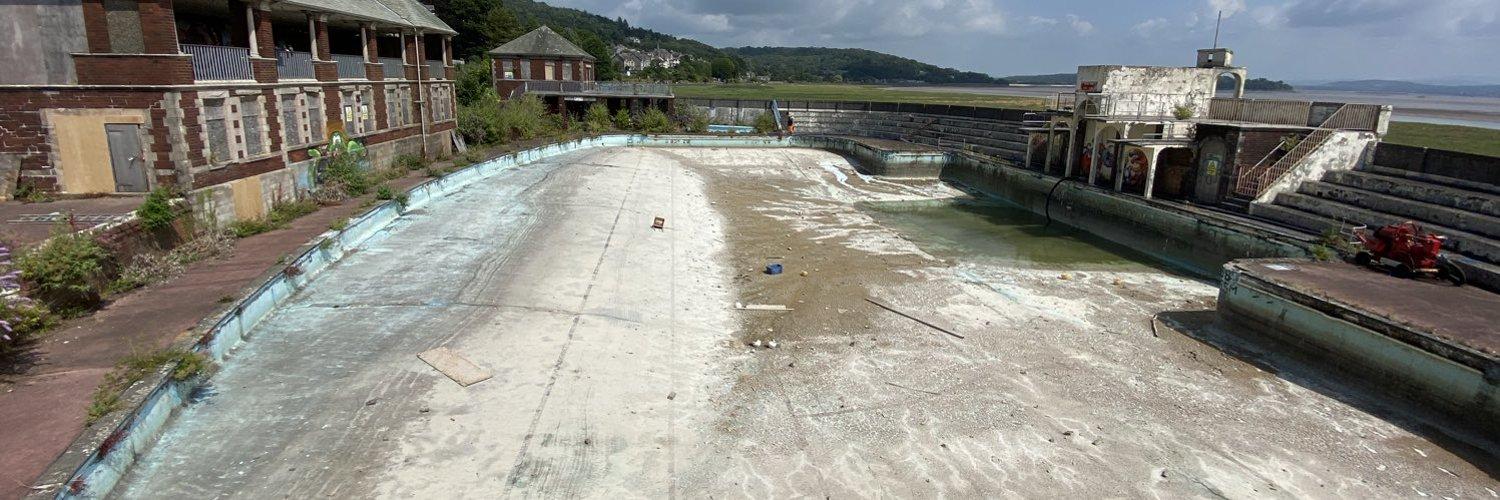
The Save Grange Lido campaign represents far more than a simple drive to reopen a derelict swimming pool. It is a profound, community-led effort to reclaim a significant piece of British architectural and social heritage, transforming a decaying symbol of neglect into a vibrant, economically self-sustaining asset for future generations. Grange Lido, situated on the picturesque shore of Morecambe Bay in Cumbria, stands as the last remaining coastal lido in the North West of England, a poignant monument to the golden age of open-air bathing that swept the nation in the mid-20th century.
Its closure in 1993 marked the beginning of a quarter-century of decline, leaving the structure vulnerable to the harsh coastal elements and the threat of demolition. The Save Grange Lido campaign, organized formally as a Community Benefit Society (CBS), emerged from this crisis. It is a testament to the power of local determination, combining professional expertise with grassroots passion to deliver a complex, multi-million-pound restoration project. The ultimate goal is not just a functioning pool, but the creation of an historic community asset that enriches everyone’s lives—the core mission statement of the Society.
Grange Lido holds a unique and irreplaceable place in the history of seaside leisure and reinforced concrete architecture in the United Kingdom. Built and opened in 1935, during the interwar boom in municipal lido construction, it was a direct response to the era’s enthusiasm for fresh air, exercise, and social interaction.
The 1930s witnessed a flurry of lido construction across Britain, often characterized by modernist design and innovative use of concrete. These pools became social hubs, offering accessible recreation and serving as symbols of municipal pride and public health initiatives. Grange Lido, with its sleek, linear design and commanding view across the bay, was a fine example of this trend. It offered residents and tourists a safe, contained environment to swim in an era when sea bathing was still considered rugged and often inaccessible.
The structure is a significant piece of interwar architecture. Its streamlined appearance, featuring the distinctive diving platforms and the large, functional pool basin, places it firmly within the category of functional modernist design common to the era. This heritage is what led to the structure being afforded Grade II Listed Building status by Historic England. This protected status is both a blessing and a challenge for the Save Grange Lido campaign. While it acknowledges the immense cultural and architectural value of the structure and prevents arbitrary demolition, it also dictates that any restoration must adhere strictly to preservation guidelines, adding complexity and cost to the project. The listing means that the restoration is fundamentally a heritage project aimed at conservation, rather than a simple modern rebuild.
The Lido was officially closed in 1993, largely due to a combination of declining popularity, high maintenance costs, and a lack of necessary investment. For over two decades following its closure, the structure lay dormant and exposed. The harsh saltwater environment, tidal movements, and freezing winters led to severe deterioration of the concrete structure, with steel reinforcements rusting and causing spalling. This state of decay made the argument for restoration increasingly urgent, as every passing year brought the threat of irreversible structural failure closer. The campaign’s mission is thus a race against time and the elements to stabilize and resurrect this irreplaceable historical asset.
The Save Grange Lido campaign transitioned from a grassroots pressure group into a robust legal entity known as the Save Grange Lido Community Benefit Society (CBS), registered with the Financial Conduct Authority (Reg No: 8004). This structure is crucial to the campaign’s success, ensuring local control, democratic operation, and financial transparency.
A Community Benefit Society is a legal form of social enterprise that operates for the benefit of the community. Unlike a standard charity, a CBS can raise funds through community shares (a form of social investment), allowing members of the public to buy a stake in the project. Importantly, the primary purpose is defined by its social objective—in this case, the restoration and sustainable operation of Grange Lido for public benefit—rather than maximizing profit for shareholders.
The CBS structure ensures that the organization remains accountable to the community it serves. The members of the Society, including those who join the "Friends Scheme," typically hold voting rights. This democratic mechanism ensures that the direction and major decisions of the restoration project are guided by the community's wishes. This transparency stands in stark contrast to opaque commercial development, guaranteeing that the restored lido will meet the needs and aspirations of local residents and visitors.
The CBS model facilitates a multi-faceted approach to fundraising, crucial for a project of this scale. The Society can pursue traditional grants and donations, but also engage in innovative funding methods:
This legal and operational framework has enabled the volunteers to engage with local government (South Lakeland District Council and its successors), heritage bodies (Historic England), and national funding sources from a position of organizational strength and clear public mandate. The CBS model is the organizational backbone that turns the dream of restoration into a financially viable and democratically supported reality.
The restoration of Grange Lido is conceived as a multi-phased project, prioritizing structural stability, essential infrastructure, and eventual return to full public use. The detailed plans reflect the complexity inherent in restoring a Grade II Listed structure situated in a tidal zone.
The immediate and most critical objective was addressing the severe concrete spalling and structural instability caused by decades of exposure to saltwater and freeze-thaw cycles. This phase involved painstaking remedial work to repair the damaged reinforced concrete structure, preserving the historical fabric while ensuring the longevity of the pool basin and surrounding structures. The primary focus here is conservation and safety, providing a solid foundation for all subsequent work. This phase is typically capital-intensive and less visible to the public, but absolutely essential for the viability of the entire project.
The core of the restoration involves bringing the 50-meter pool basin back to life. The original pool structure must be repaired, resealed, and fitted with modern filtration and water treatment systems that meet contemporary health and safety standards while respecting the listed status. Furthermore, the surrounding terraces, viewing areas, and changing facilities must be restored. This phase is vital for delivering the campaign’s central promise: a return to open-air swimming. The 50-meter length is internationally recognized, potentially opening the door for competitive swimming events, although the primary focus is recreational use.
To ensure long-term, self-sustaining operation, the final phase focuses on the ancillary buildings surrounding the pool. This includes the conversion of the old changing rooms, ticket offices, and pump rooms into commercial spaces designed to generate revenue and draw visitors year-round. These plans typically involve:
The inclusion of these commercial elements is paramount to the Business Plan, ensuring that the restored Lido is not perpetually dependent on local authority funding or fundraising drives. The goal is to create a dynamic leisure complex where the income from the commercial units subsidizes the high operational costs associated with running a large, open-air, saltwater pool facility. The commitment to a phased approach manages risk and ensures that each step of the conservation process is completed correctly before moving on to the next.
The heart of the Save Grange Lido campaign lies in its powerful and sustained community engagement, which acts as the primary engine for both fundraising and advocacy. The organization understands that continuous local visibility and involvement are key to maintaining momentum over what is necessarily a protracted, complex restoration timeline.
A vital mechanism for ongoing support is the Friends Scheme. By signing up to become a Friend, individuals provide regular financial contributions, but, more importantly, they become part of the Community Benefit Society’s democratic base. This membership gives the campaign a quantified, visible mandate when negotiating with local authorities and applying for major grants. It transforms supporters from passive sympathizers into active stakeholders. The Society leverages social media platforms—Facebook, Twitter, and Instagram—to maintain constant communication, ensuring Friends are the first to hear news and updates on events, fostering a strong sense of ownership and community pride.
The campaign has successfully created signature annual events that both raise funds and dramatically raise the project's profile. The Cross Bay Walk is a notable example. This guided walk across the sands of Morecambe Bay—a historic, challenging, and picturesque local tradition—is branded as a Save Grange Lido event. It attracts participants from far beyond Grange-over-Sands, creating both significant fundraising revenue and media attention. The website prominently features galleries from past walks (e.g., 2023 and the upcoming 2025 event), celebrating the community effort and the scale of participation. This type of event cleverly connects the Lido's coastal location and heritage to a beloved regional activity.
The campaign actively celebrates and benefits from external community fundraising efforts. The case of the successful Cross Channel Relay swim is a perfect illustration. A team of four swimmers (Ali, Amy, Catherine, and Ian) dedicated their grueling long-distance swim to raising funds for the Lido. The campaign proudly features their story and the presentation of their cheque, highlighting the power of external partnerships and inspirational athletic endeavors in contributing to the restoration goal. Furthermore, the sale of official merchandise, available both online and at the physical shop at Victoria Hall, provides a low-entry, continuous income stream while promoting the brand and mission. This extensive and multi-layered community involvement underscores the true "Community Benefit" aspect of the Society.
The successful restoration of Grange Lido promises immense benefits that extend far beyond simply reopening a swimming facility. The project is fundamentally an exercise in economic regeneration, public health improvement, and the revitalization of a coastal town.
The restored Lido is projected to become a major tourism anchor for Grange-over-Sands and the wider Cumbria area. As the last coastal lido in the North West, it will draw heritage enthusiasts, architectural tourists, and swimmers from across the country.
In line with the 1930s ethos of public health, the restored Lido will be a massive asset for community wellness. Open-air swimming is known for its physical and mental health benefits.
The campaign itself, and the final restored structure, serve as a potent symbol of community resilience and achievement. The successful restoration will instill immense pride in the residents of Grange-over-Sands, reaffirming the town’s identity as a vibrant coastal destination and demonstrating what can be achieved when a local community takes ownership of its heritage. This collective effort is a powerful, intangible benefit that strengthens the social fabric of the community.
The journey of the Save Grange Lido Community Benefit Society is a masterclass in modern heritage conservation and grassroots activism. By adopting the robust structure of a CBS, the campaign has successfully bridged the gap between historical preservation and future commercial viability. The Lido, a majestic Grade II Listed structure with a profound interwar history, was brought to the brink of collapse, but the campaign’s meticulous, multi-phased plan is now systematically bringing it back to life.
The success of the restoration rests squarely on the diverse expertise of its volunteers—who handle everything from complex engineering planning to daily merchandise sales—and, crucially, on the unwavering financial and participatory support of the community. Signature events like the Cross Bay Walk and the constant engagement via the Friends Scheme demonstrate a sustained, deep commitment that is essential for overcoming the inevitable challenges of large-scale heritage restoration.
The ultimate vision is clear and compelling: to restore the physical structure while simultaneously laying the groundwork for a year-round, self-sustaining community asset that fuels local economic regeneration, promotes public health, and forever preserves the last surviving piece of the North West’s coastal lido legacy. The Save Grange Lido campaign is a living monument to the power of collective will, proving that community benefit, when organized and driven by passionate expertise, can triumph over decades of neglect and the relentless force of nature. Their work offers a profound blueprint for other communities facing the loss of their cherished historic assets, demonstrating that a heritage building can, and should, enrich everyone's lives.
