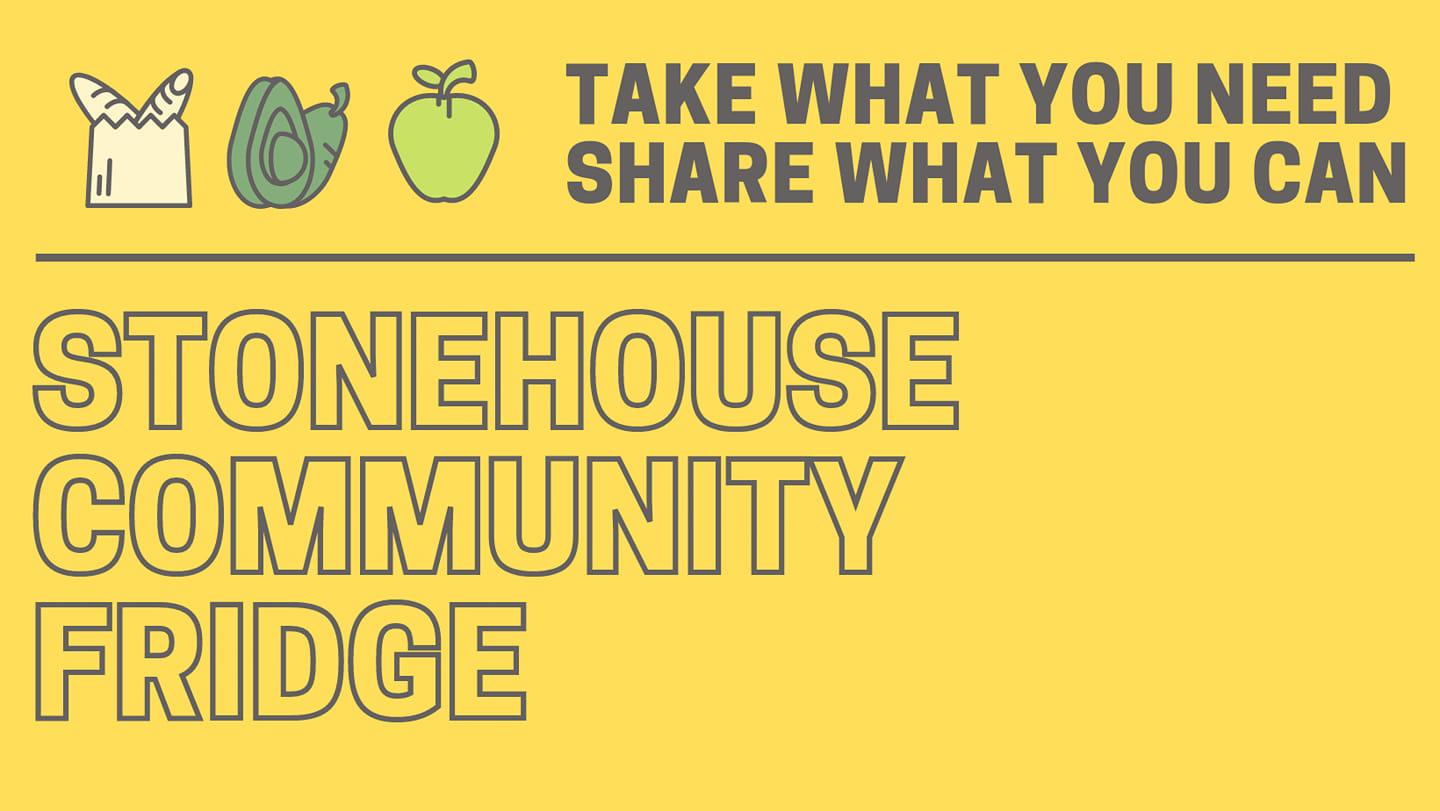
In the heart of Plymouth, within the historically and socio-economically challenging area of Stonehouse, the Stonehouse Community Fridge operates as a vital community hub. More than just a repository for surplus food, the fridge is a joint venture championed by The Kintsugi Project, embodying a profound philosophical approach to repairing societal fissures. The project directly tackles two of the most pressing contemporary issues—environmental food waste and rising food insecurity—while simultaneously addressing the less visible crisis of social isolation and marginalization. Rooted in the Japanese art of kintsugi (meaning "to join with gold"), which celebrates the beauty in repair, the project seeks to build a stronger, more inclusive community by valuing and integrating resources, people, and places that society has often cast aside.
The Stonehouse Community Fridge was the first of its kind in Plymouth, establishing a model of open-access, non-judgmental food redistribution that has since expanded its reach, notably with the development of a sister fridge in Keyham. By rescuing tons of surplus food from landfill and making it freely available to the community, the project offers a pragmatic, immediate response to the cost of living crisis, cementing its role as a designated Warm Space and a crucial focal point for local resilience.
The organizational backbone of the Stonehouse Community Fridge is The Kintsugi Project CIC, a non-profit driven by the conviction that "society is broken" and that collective effort can mend and beautify its imperfections. The term kintsugi refers to the method of repairing broken pottery with lacquer dusted or mixed with powdered gold, silver, or platinum. Instead of concealing the damage, the repair highlights the fracture, rendering the object more unique and valuable for having been broken and fixed.
The Kintsugi Project applies this philosophy metaphorically to people and community structures. The organization recognizes that many individuals feel excluded, isolated, or broken due to disabilities, mental health challenges, or economic distress. Their objective is not to offer superficial "services" or "special groups," but to create a shared, inclusive space where individuals can engage in meaningful, purposeful activity and contribute to the collective good. The projects they run, which include a Community Garden, Creative Workshops, and, crucially, the Community Fridge, are all designed to be intergenerational and accessible, prioritizing inclusion over targeted, stigmatizing aid.
The Stonehouse Community Fridge is a joint venture, housed within the Leadworks community hub, providing an open, accessible, and safe space in the heart of the Stonehouse district. Its operation is defined by simplicity, volunteer dedication, and a clear focus on its dual mission.
Worldwide, food waste is an immense environmental problem, contributing significantly to greenhouse gas emissions when organic matter decomposes in landfills. The Fridge directly intervenes in this cycle. Working with local food retailers, producers, and growers—including major supermarkets—the volunteer team rescues good quality, surplus food that is nearing its expiry date or deemed unfit for sale for aesthetic reasons.
In its initial year of operation, the Stonehouse Community Fridge successfully diverted over 12 tons of surplus food from landfill. This figure represents not just an environmental saving, but a considerable resource conservation effort, encompassing the water, energy, and labour that went into producing the food. The environmental benefit is measurable and tangible, providing a powerful, localized example of the circular economy in action.
The social impact is arguably the most immediate. Stonehouse, like many inner-city areas in Plymouth, is disproportionately affected by the cost of living crisis, resulting in high levels of food and energy insecurity. The Community Fridge serves over 200 visitors weekly, providing free access to essential items such as bread, pastries, fruits, vegetables, and other donated goods.
Unlike traditional food banks, which often require referrals and stringent eligibility checks, the Community Fridge operates on a principle of universal accessibility ("for all to use"). This model is crucial because it reaches:
The true power of the Stonehouse Community Fridge, however, lies in its capacity to build social capital and address the holistic health of the community, going beyond food distribution.
Operating from Leadworks, the Fridge often functions as a designated "Warm Space," particularly during the winter months. This initiative recognizes that the energy crisis exacerbates social isolation, forcing people to choose between heating and eating. By offering a safe, inclusive, and warm place to stay, grab a free cup of tea or coffee, and connect with others, the hub addresses energy poverty and social fragmentation simultaneously. The addition of "Community Conversations," alongside the practical tasks of food sharing, deliberately fosters a sense of belonging, countering the widespread loneliness felt by many in contemporary society.
The entire operation relies on a dedicated team of volunteers who handle everything from food pick-ups and deliveries to monitoring the fridge and ensuring hygiene standards are met (adhering to Community Fridge Network and local Environmental Health standards). This volunteering model is a core component of The Kintsugi Project’s mission to provide "a life, not a service."
For individuals who may have previously felt marginalized—such as those dealing with mental health issues, autism, or physical disabilities—volunteering offers:
As demonstrated by personal testimonials from volunteers, the project's success is not just measured in tons of food saved, but in the personal transformation and restored sense of self-worth achieved by those who operate it. The Fridge is not merely an object of aid; it is a catalyst for personal and collective empowerment.
The Stonehouse Community Fridge, through its partnership with The Kintsugi Project, represents a highly effective micro-level solution to macro-level crises. It serves as a powerful testament to the efficacy of community-led intervention, providing an ethical framework for consumption that is immediately actionable and deeply humane. By operating on a foundation of non-judgmental access, resourcefulness, and collective contribution, the project simultaneously mitigates the environmental cost of waste and the human cost of poverty and isolation.
The success of the Stonehouse model demonstrates that by embracing the philosophy of kintsugi—by recognizing the inherent value in repairing and highlighting the places where we have broken—communities can build systems that are not only sustainable but also richer, more connected, and more resilient. The Fridge is a visible, daily reminder that addressing worldwide issues begins with local action, creating beauty and value from what was once considered surplus or broken.
