Wild Moors

Wild Moors: Regenerative Approach

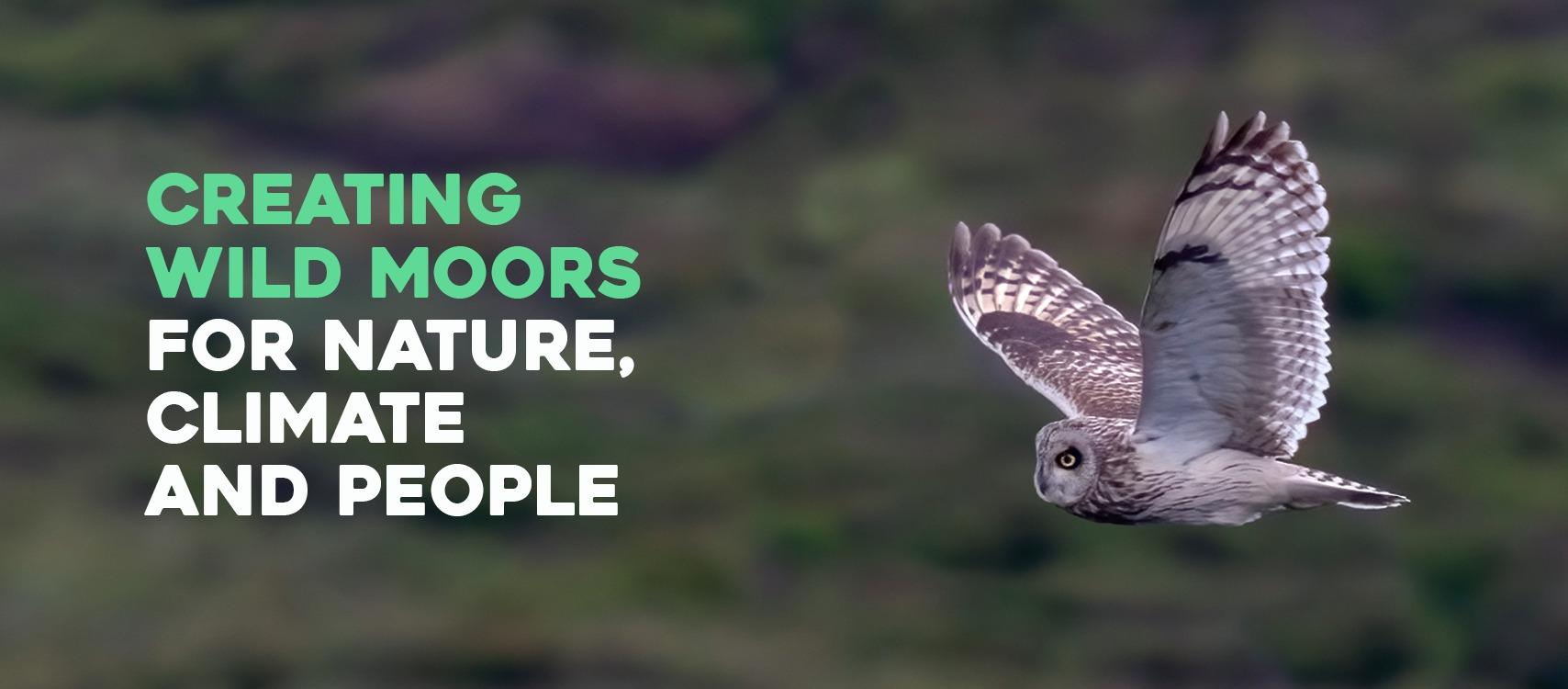
The Wild Moors organization stands at the forefront of the conservation battle for the UK’s uplands, driven by a bold vision: to transform these essential landscapes into an environment that is respected, restored, and protected for nature, climate, and people. It is an organization focused on accelerating the transition away from destructive land management practices toward a nature-rich, environmental-resilient, and sustainable future.

The movement is founded on a critical understanding: that the uplands—which include vast areas of carbon-rich peat, crucial watersheds, and unique habitats—are currently in a state of severe degradation. Wild Moors is committed to reversing this trend, aiming for the ambitious goal of unlocking an area of the UK's uplands the size of Greater London for regeneration.

The Problem: A Degraded Landscape

For decades, the majority of the UK’s moorlands have been subjected to intensive land management, primarily to facilitate grouse shooting. This practice, which treats the uplands as a commercial resource for sporting interests, has resulted in a severely degraded environment with far-reaching negative consequences for the wider public and the climate.

Wild Moors identifies several core issues resulting from this intensive management:

  1. Burning Peatlands: The systematic burning of moorland vegetation is done to encourage fresh, young heather growth, which red grouse feed on. However, this practice directly damages the underlying peat, releasing stored carbon into the atmosphere, which contributes significantly to climate change.

  2. Draining: Peatlands are naturally wet, carbon-storing ecosystems. Draining them (to dry out the land for grouse) severely degrades this habitat. Drained peat loses its ability to store water, becoming a net carbon emitter and increasing the risk of both flooding downstream and massive wildfires.

  3. Wildlife Persecution and Crime: The intensive management for red grouse often involves the illegal persecution of natural predators—such as hen harriers, peregrine falcons, and owls—that compete for the grouse population. Wild Moors highlights the persistence of wildlife crime and the use of cruel methods like trapping and the abuse of medicated grit to maintain artificially high densities of game birds.

  4. Climate Vulnerability: By degrading the peat, these practices make the uplands less resilient. The carbon-rich habitats dry up, making them highly vulnerable to climate change impacts and contributing to ecological decline.

In short, the organization argues that the uplands have been damaged by practices that prioritize private sport over public good, environmental health, and stability.

The Solution: The Benefits of Wilder Moors

The Wild Moors movement champions a regenerative approach, asserting that a healthy upland environment delivers immense benefits for the entire nation. By ending intensive grouse moor management, the uplands can naturally heal and begin to provide essential ecological services:

  • Tackling Climate Change: Restored peatlands are among the UK’s most effective natural carbon sinks. Rewetting and regenerating these areas allows them to actively absorb and store carbon dioxide again, playing a crucial role in meeting national climate targets.

  • Boosting Biodiversity: When predatory wildlife is protected and the land is managed less intensively, biodiversity naturally returns. The uplands can once again become refuges for rare and struggling species, rather than mono-cultural habitats focused on a single game bird.

  • Natural Flood Management: Healthy, intact moorland—especially deep, wet peat—acts like a sponge, soaking up vast amounts of rainwater and releasing it slowly. This process is a vital component of natural flood management, protecting downstream communities from devastating flood events.

  • Improving Water Quality: Degraded, burnt peat releases sediment and discoloration into water sources. Restoration efforts naturally filter and purify the water, reducing the need for costly water treatment processes.

  • Reducing Wildfire Risk: Dry, stressed heather that has been frequently burned presents a significant wildfire risk. Regenerated, wetter moorland is far less combustible, greatly reducing the threat of large-scale, costly, and polluting blazes.

The Strategic Pillars of Change

To achieve its vision, Wild Moors operates under four focused, interlocking strategic areas, combining tenacity, innovation, and intellectual rigour:

  1. Legal and Policy Advocacy: Wild Moors actively works to change the laws that currently permit destructive land use. A major focus is on securing and defending legislation that protects the uplands. Their efforts have contributed to key policy successes, such as the extension of the ban on burning peat moors. By using the law and policy, they create fundamental, lasting change in how these landscapes are governed and managed.

  2. Corporate Outreach: The organization recognizes that a significant portion of the uplands is owned by corporate entities, large estates, and institutional investors. Wild Moors works directly with these corporate landowners and investors to encourage a transition away from grouse shooting leases and toward conservation and restoration practices. A significant victory in this area was United Utilities pulling the plug on grouse shooting across their land holdings, setting a powerful precedent for other major landowners.

  3. Research and Investigations: To make a compelling case for change, Wild Moors backs its campaigns with hard evidence. They produce agenda-setting research that details the ecological and economic failures of intensive management. Crucially, they also conduct and support investigations to expose the practices that harm the environment, wildlife, and communities, ensuring accountability cannot be evaded by landowners.

  4. Education and Engagement: Public support is essential for policy change. Wild Moors works to engage people in upland conservation through clear, accessible educational efforts. This includes showing policymakers the strength of public support for change, ensuring that the political appetite for restoration matches the scientific necessity.

Real-World Victories and Momentum

The WRC’s advocacy has not only set the agenda but has delivered tangible results, demonstrating that the future of the uplands is changing:

  • Corporate Shifts: The successful outreach to major landowners, such as United Utilities, validates the corporate outreach strategy and places immense pressure on other estate managers to follow suit.

  • National Trust Vision: Wild Moors welcomed the National Trust's vision for the Peak District moors, signaling alignment with major conservation bodies on the path toward restoration.

  • Governmental Recognition: The organization celebrates milestones like the Government launching a landmark National Estate for Nature and the Wildlife Trusts securing key land, as these actions directly support the vision of expanding protected and regenerated moorland across the country.

By focusing on systemic change through policy, corporate engagement, and rigorous science, Wild Moors is moving beyond simply mitigating damage. It is actively directing a transformation that will ensure the UK's invaluable uplands are healthy, biodiverse, and effective defenses against the challenges of the environmental issues for generations to come.

Find Us

Address
UK
Phone
Email
info@wildmoors.org.uk
When in the Course of human events, it becomes necessary for one people to dissolve the political bands which have connected them with another, and to assume among the powers of the earth, the separate and equal station to which the Laws of Nature and of Nature's God entitle them, a decent respect to the opinions of mankind requires that they should declare the causes which impel them to the separation.
GLOBAL GATHERINGSSOCIAL IMPACTONLINE FUNDRAISINGCONTACT

Subscribe

* indicates required
linkedin facebook pinterest youtube rss twitter instagram facebook-blank rss-blank linkedin-blank pinterest youtube twitter instagram