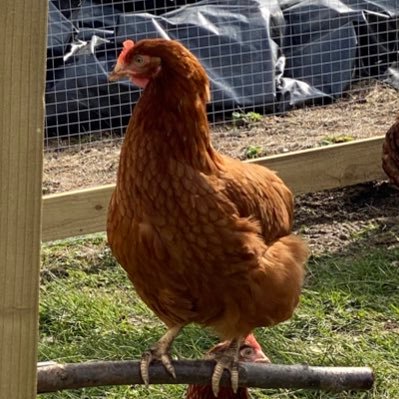
A loosely formed co-operative of eight people in Bradford looking to build a more ethical sustainable future through agriculture.
Situated in Bradford, West Yorkshire, Willow Edge Farm is an independent, community-driven agricultural cooperative. Operating as a small-acreage micro-farm, the initiative was founded by a collective of eight local residents driven by a shared goal: transforming an uncultivated plot into an ethical, sustainable food project focused on community resilience.
The initiative addresses critical modern challenges—food insecurity, environmental degradation, and the disconnection between urban communities and their food sources—by demonstrating how small-scale, regenerative agriculture can thrive on minimal land without massive industrial infrastructure.
Willow Edge Farm was established by an eight-member collective who began with no formal agricultural background. Operating under the motto "Out of the Mud," the founders documented their transition from beginners to self-sufficient micro-growers.
       [ Uncultivated Plot / Urban Fringe Land ]
                         │
                         ▼
       [ 8-Member Local Co-operative Formed ]
                         │
                         ▼
       [ Regenerative & No-Till Cultivation ]
                         │
                         ▼
       [ Hyper-Local Produce & Community Hub ]
Unlike traditional commercial farms managed by single landowners or corporate agribusinesses, Willow Edge Farm runs as a flat-structure cooperative:
Shared Labor & Governance: Decisions regarding crop planning, land stewardship, and resource allocation are made collectively by the eight members.
Non-Industrial Approach: The farm relies on low-impact hand tools, no-till bed building, and biological pest management rather than heavy diesel machinery or synthetic chemical inputs.
Community Education: The project serves as an open-source educational model, illustrating how small groups can launch micro-farms on small land packages.
The farm’s operational strategy is built around four primary sustainable agriculture practices:
                            ┌────────────────────────────┐
                            │  Willow Edge Farm Pillars  │
                            └─────────────┬──────────────┘
        ┌───────────────────────┬─────────┴─────────┬─────────────┐
        ▼                    ▼                   ▼                ▼
┌──────────────┐    ┌──────────────┐    ┌──────────────┐     ┌──────────────┐
│  No-Till     │    │ Soil Health  │    │ Zero-Chemical│     │ Hyper-Local  │
│ Beds         │    │ & Composting │    │ Biodiversity │     │ Distribution │
└──────────────┘    └──────────────┘    └──────────────┘     └──────────────┘
Traditional mechanical tilling breaks up soil ecology, disrupts fungal networks (mycorrhizae), and releases stored carbon into the atmosphere. Willow Edge Farm uses no-till market gardening techniques—layering organic matter (cardboard, compost, and leaf mold) directly over existing ground to build rich, friable topsoil without disturbing subsurface micro-organisms.
To eliminate reliance on commercial synthetic fertilizers, the farm generates its own soil amendments through active composting. Organic waste, green manure, and local agricultural byproducts are recycled back into the growing beds to maintain high nitrogen and carbon ratios.
Rather than planting vast single-crop monocultures, the farm integrates intercropping and companion planting. Aromatic herbs, flowering pollinator borders, and beneficial pest-attracting plants (such as marigolds and alyssum) are interspersed with vegetable crops to naturally deter pests without chemical pesticides.
Given Yorkshire's weather patterns, the farm prioritizes rainwater harvesting from shed roofs and polytunnels, storing water in interconnected barrels and using drip irrigation to deliver moisture directly to plant roots with minimal evaporation loss.
| Operational Metric | Industrial Commercial Agriculture | Willow Edge Farm Micro-Cooperative |
| Land Scale | Hundreds/thousands of acres | Small-scale micro-plot (approx. 1 acre) |
| Energy & Inputs | Heavy fossil fuels, synthetic NPK fertilizers, chemical pesticides | Hand tools, compost, companion planting, rainwater harvesting |
| Soil Management | Annual deep mechanical tilling | No-till bed layering and organic mulching |
| Distribution | Long-distance supply chains (high food miles) | Hyper-local distribution within the Bradford district |
| Primary Goal | High-volume crop yields and commercial distribution | Community food security, ecological health, and education |
Willow Edge Farm works as part of broader regional networks—including The People's Hub—to promote ethical food production across West Yorkshire.
                  [ Willow Edge Farm Micro-Plot ]
                                │
                                ▼
              [ Fresh, Zero-Chemical Harvests ]
                                │
                                ▼
       ┌────────────────────────┴────────────────────────┐
       ▼                                                 ▼
[ Local Bradford Households ]               [ Community Food Initiatives ]
(Hyper-local produce drops)                 (Food resilience workshops & hubs)
Drastic Reduction in Food Miles: Produce travels directly from the farm plot to local residents, cutting down the carbon emissions associated with imported supermarket produce.
Support for Soil Carbon Sequestration: By avoiding tilling and applying compost layers, the farm acts as a small carbon sink, trapping atmospheric carbon within the soil organic matter.
Transparent Food Sourcing: Local residents can inspect the farm, speak directly with the growers, and understand the exact methods used to cultivate their food.
┌──────────────────────────────────────────────────────────────────────────┐
│                             Willow Edge Farm                             │
├───────────────────┬──────────────────────────────────────────────────────┤
│ Location          │ Bradford, West Yorkshire, UK                         │
│ Governance Model  │ 8-member cooperative                                 │
│ Primary Focus     │ Micro-scale regenerative farming,                    │
│                   │ no-till agriculture                                  │
│ Key Practices     │ Soil composting, companion planting, local supply    │
└───────────────────┴──────────────────────────────────────────────────────┘
By showing how eight individuals with no prior farming experience can turn a small plot into a productive farm, Willow Edge Farm provides a practical template for community-led agriculture in West Yorkshire.
