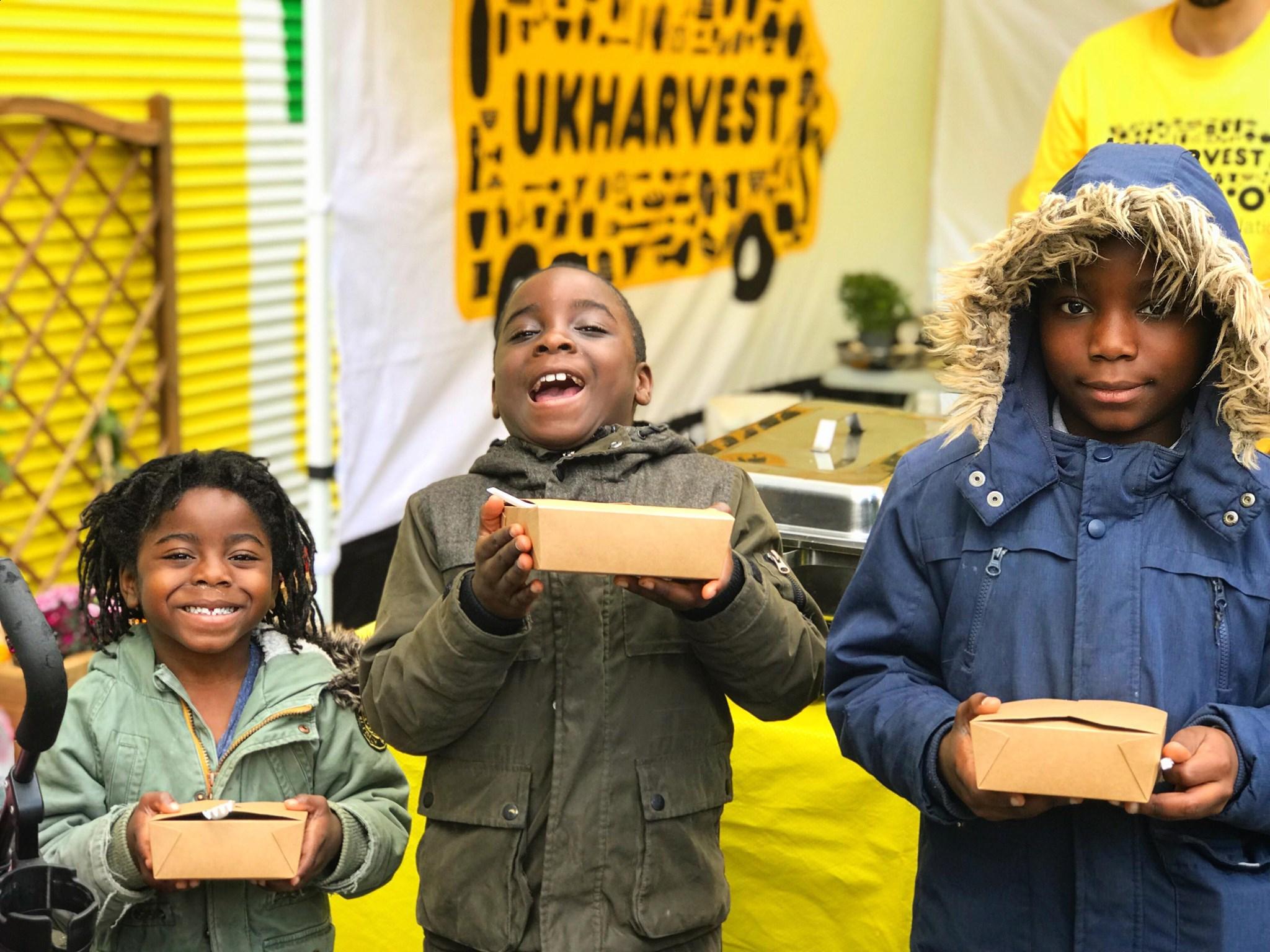
UKHarvest is one of the United Kingdom’s premier food rescue and education charities. Operating as a "for-impact" organization, its core mission addresses a fundamental paradox of modern society: millions of tonnes of high-quality, edible food are sent to waste management or landfill every year, while millions of individuals and families experience food insecurity, nutritional poverty, and rising cost-of-living pressures.
Founded on the principle that rescuing surplus food must go hand-in-hand with long-term community education, UKHarvest does not operate simply as an emergency food bank. Instead, it functions as a comprehensive food logistics network, an environmental conservation champion, and an educational hub. By collecting surplus perishables directly from primary producers, manufacturers, logistics hubs, retailers, and hospitality venues, UKHarvest redirects tons of fresh produce, dairy, bread, and proteins straight into community spaces, social eating hubs, and educational programs.
Her Majesty Queen Camilla serves as Patron of the charity, underscoring its pivotal role in the UK’s broader sustainable development and waste reduction targets.
To understand the operational necessity of UKHarvest, one must look at the structural disconnect within the national food system.
                   THE UK FOOD PARADOX

 ┌─────────────────────────────┐   ┌─────────────────────────────┐
 │    SURPLUS & FOOD WASTE     │   │      FOOD INSECURITY        │
 │ Over 10 million tonnes of   │   │ Millions of UK households   │
 │ food wasted annually across │   │ experience nutritional      │
 │ supply chains & homes.      │   │ poverty & cost pressures.   │
 └──────────────┬──────────────┘   └──────────────┬──────────────┘
                │                                 │
                └────────────────┐────────────────┘
                                 │
                                 ▼
               ┌───────────────────────────────────┐
               │         THE UKHARVEST BRIDGE       │
               │ Rescuing edible surplus food and   │
               │ redirecting it to communities     │
               │ paired with food education.       │
               └───────────────────────────────────┘
According to data compiled by WRAP (Waste & Resources Action Programme) and UKHarvest’s research, the UK generates over 10 million tonnes of food waste across the supply chain annually.
Household Waste: More than half of this total occurs at the domestic level, where edible food is thrown out due to over-purchasing, lack of storage awareness, or confusion over "Best Before" versus "Use By" dates.
Pre-Retail and Farmgate Loss: Millions of tonnes of produce never leave the farm or packhouse due to strict cosmetic standards enforced by major retailers, unexpected weather events, or sudden order cancellations.
Retail and Hospitality Surplus: Short-dated items, over-catered events, and damaged outer packaging lead to thousands of tonnes of edible food being discarded weekly.
When food is discarded, all the embedded resources—water, land, energy, diesel, labor, and cold-chain refrigeration—are lost along with it. Furthermore, food decaying in anaerobic landfill conditions releases methane, a greenhouse gas significantly more potent than carbon dioxide in the short term. Global food waste accounts for approximately 8% to 10% of all human-driven greenhouse gas emissions. If food waste were a country, it would rank as the third-largest global emitter after China and the United States.
Concurrently, rising inflation and energy costs have exacerbated financial strain for low- and middle-income households. Fresh fruits, vegetables, and lean proteins are frequently the first items sacrificed when household budgets tighten, leading to nutritional deficiencies and health inequalities. UKHarvest acts as a vital bridge: intercepting high-value, nutritious surplus before it becomes waste and distributing it directly to those who need it.
UKHarvest structures its operations around four interconnected pillars designed to create lasting systemic change:
        FOUR PILLARS OF THE UKHARVEST OPERATIONAL MODEL

 ┌───────────────────────┐   ┌───────────────────────┐
 │   FOOD RESCUE & LOGS  │   │ COMMUNITY FOOD HUBS   │
 │ Free, rapid collection│   │ Pop-up, dignified     │
 │ of surplus perishables│   │ choice-based food     │
 │ across the UK.        │   │ markets for all.      │
 └───────────┬───────────┘   └───────────┬───────────┘
             │                           │
 ┌───────────┴───────────┐   ┌───────────┴───────────┐
 │ EDUCATIONAL PROGRAMMES│   │ SOCIAL ENTERPRISE     │
 │ NOURISHed cookery,    │   │ The Nourish Hub cafe, │
 │ budgeting, and home   │   │ catering, and venue   │
 │ waste reduction.      │   │ space initiatives.    │
 └───────────────────────┘   └───────────────────────┘
UKHarvest operates a fleet of temperature-controlled refrigerated vans and logistical hubs.
Zero-Cost Donor Model: UKHarvest collects surplus food free of charge from commercial donors, removing the financial and logistical barriers that often prevent businesses from donating edible surplus.
Safety and Quality Assurance: Rescued food is handled under strict Food Hygiene standards. The focus is placed heavily on fresh, perishable, and highly nutritious items—fresh fruit and vegetables, chilled dairy, fresh meat, bakery items, and prepared meals—which traditional food banks often struggle to store or distribute safely.
Recipient Network: In addition to its own public hubs, UKHarvest acts as a primary distributor to hundreds of frontline charities, homeless shelters, women’s refuges, youth clubs, and senior centers.
Traditional emergency food support can sometimes carry social stigma or restrict choice through rigid pre-packed parcels. UKHarvest reimagines this through its Community Food Hubs and Grub Clubs.
Dignified, Open-Access Choice: Anyone in the community is welcome to visit a Community Food Hub. There are no complex referral forms or criteria check-ins. Visitors can pick out a wide selection of rescued fresh produce, bakery goods, and pantry items in a market-style layout.
Pay-as-You-Feel / Suggested Donation: Visitors are invited to make a small suggested donation (typically around £5) if they are able, though no one is turned away. This model builds community ownership, preserves dignity, and removes the charity stigma.
Multi-Agency Integration: Food Hubs frequently co-host local support services, offering visitors access to financial advice, housing support, mental health charities, and energy assistance in one accessible space.
Rescuing food addresses immediate hunger, but education prevents waste from happening in the first place. UKHarvest employs professional chefs, educators, and nutritionists to run the NOURISHed education program.
Home Waste Minimization: Teaching practical strategies for meal planning, proper food storage, batch cooking, understanding date labels, and utilizing leftovers efficiently.
Nutritious, Low-Cost Cooking: Delivering hands-on cooking courses for schools, youth groups, families, and vulnerable adults, showing how to prepare healthy meals on tight budgets.
Kitchen Confidence: Equipping individuals with foundational knife skills, flavor pairing techniques, and substitution strategies so they can confidently turn whatever surplus ingredients are on hand into wholesome meals.
The Nourish Hub, located in West London, represents the physical embodiment of UKHarvest's mission. Operated in partnership with local authorities, the Nourish Hub is a multi-award-winning community kitchen and dining space.
Rescued Meals: Professional chefs take daily deliveries of rescued surplus produce to create fresh, multi-course lunches served on a pay-as-you-feel basis.
Training Kitchen: The facility houses a teaching kitchen where local residents, young people, and job seekers complete accredited culinary and food hygiene training.
Community Gathering Space: By bringing together local residents from all walks of life over a shared meal, the Nourish Hub combats social isolation and builds community cohesion.
Understanding the operational differences between food rescue logistics organizations like UKHarvest and traditional food banks highlights why both models are needed in the current social landscape.
Primary Supply Source:
Traditional Food Bank: Relies largely on ambient, non-perishable food donations (tinned goods, dried pasta, cereals) collected from retail drop boxes or individual public drives.
UKHarvest Food Rescue: Intercepts large-scale commercial surplus direct from farms, distribution centers, manufacturers, supermarkets, and catering venues.
Nutritional Profile of Food Distributed:
Traditional Food Bank: Heavily shelf-stable; often limited in fresh produce, chilled dairy, or fresh meats due to storage constraints.
UKHarvest Food Rescue: Highly perishable and nutrient-dense; focuses explicitly on fresh fruit, vegetables, chilled proteins, and whole bakery goods.
Access Model:
Traditional Food Bank: Often requires a formal professional referral (e.g., from a social worker, doctor, or Jobcentre) and provides a pre-packed parcel capped at a set number of visits.
UKHarvest Food Rescue: Open-access, market-style environment where community members select their own food items for a voluntary suggested donation.
Core Operational Scope:
Traditional Food Bank: Focuses primarily on short-term emergency alleviation of acute food crises.
UKHarvest Food Rescue: Combines immediate food redistribution with environmental waste prevention, social enterprise spaces, and extensive culinary education.
Whether you are a commercial food business with surplus stock, a local community member looking for affordable fresh food, or an individual wanting to volunteer, UKHarvest offers clear pathways to participate.
+-----------------------------------------------------------------------------------+
|                  COMMERCIAL FOOD DONATION WORKFLOW                                |
+-----------------------------------------------------------------------------------+
| 1. Identification | Business identifies edible surplus (overstock, short-date).   |
| 2. Contact        | Logistics team arranges zero-cost collection details.         |
| 3. Cold Rescue    | Temperature-controlled van collects food from donor site.     |
| 4. Sorting        | Food audited and prepared for immediate distribution.         |
| 5. Delivery       | Reaches Community Food Hubs, charities, or kitchen hubs.      |
+-----------------------------------------------------------------------------------+
Identify Edible Surplus: Audit your facility for stock that is edible and safe, but unmarketable due to packaging errors, surplus production, canceled orders, or short shelf-lives.
Contact the Logistics Team: Reach out via ukharvest.org.uk to detail the volume, storage requirements (chilled, frozen, ambient), and location of the surplus.
Schedule Collection: UKHarvest schedules a free collection using its fleet of refrigerated vehicles.
Track Impact: Donors receive metrics showing the weight of food rescued, carbon emissions offset, and equivalent meal numbers generated for corporate social responsibility (CSR) reporting.
Locate Your Nearest Hub: Check the schedule on the UKHarvest website or local authority channels to find monthly Community Food Hub dates and locations.
Bring Your Own Bags: Arrive during hub operating hours with reusable shopping bags.
Select Your Food: Browse the market-style display of fresh produce, bread, and chilled goods, choosing items your household will actually cook and enjoy.
Contribute if Able: Place a voluntary donation in the collection bin or card machine if your budget allows, and take advantage of any recipe cards or guest advice desks.
Volunteer Application: Sign up online to help with driver support, food sorting, warehouse management, educational assistant roles, or community hub hosting.
Join Educational Workshops: Enroll in free NOURISHed cooking sessions or download online resource packs to learn zero-waste cooking techniques at home.
Visit the Nourish Hub: Stop by for a pay-as-you-feel lunch, support the café, or sign up for community cooking workshops in West London.
The multi-faceted approach of UKHarvest delivers measurable outcomes across environmental, social, and economic metrics:
Millions of Meals Delivered: By redirecting thousands of tonnes of high-quality food from disposal, UKHarvest has supplied millions of nutritious meals to community members and frontline partner charities.
Carbon and Water Saved: Preventing thousands of tonnes of food waste directly prevents thousands of tonnes of greenhouse gas emissions from entering the atmosphere while preserving billions of liters of embedded water.
Financial Relief for Households: Visiting a Community Food Hub significantly reduces a family's weekly grocery spend, releasing household budget space for energy bills, housing, and other essentials.
Up-Skilling Communities: Thousands of participants in the NOURISHed program gain lifelong cookery, budgeting, and waste-minimization skills, creating lasting systemic resilience against food waste and financial hardship.
UKHarvest (ukharvest.org.uk) represents a modern, compassionate, and environmentally essential approach to solving national food waste and insecurity. By treating surplus food not as rubbish, but as a valuable community resource, UKHarvest nourishes vulnerable populations, educates households for long-term independence, and protects Earth.
